The Miami Dolphins made a series of bold and controversial moves on the second day of the NFL Draft, leaving analysts and fans divided over the team’s new identity under General Manager John Eric Sullivan. With four picks in the second and third rounds, the Dolphins added a mix of high-character, physical players, but one selection in particular has sparked intense debate as perhaps the most head-scratching move of the entire draft so far.
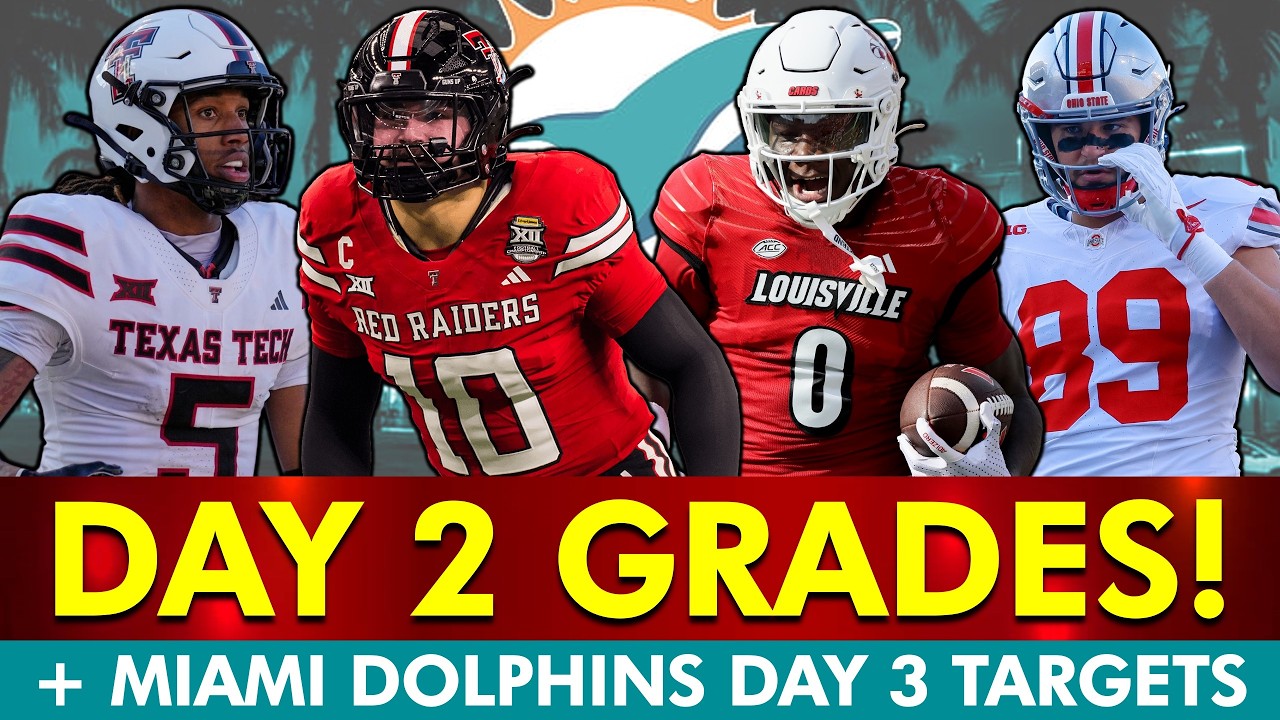 The Dolphins kicked off Day 2 by selecting Texas Tech linebacker Jacob Rodriguez with their second-round pick. Rodriguez, the Big 12 Defensive Player of the Year and a Heisman finalist, brings a dynamic playmaking ability that has drawn comparisons to legendary Dolphins linebacker Zach Thomas, who also hails from Texas Tech. Rodriguez is known for his superb athleticism, relentless pursuit of the football, and a patented “peanut punch” that forces fumbles. He recorded four interceptions last season, showcasing his prowess in pass coverage. Beyond his on-field skills, Rodriguez is praised for his leadership and competitive spirit, qualities that align with the Dolphins’ desire to reshape their locker room culture.
Despite the enthusiasm for Rodriguez as a player, the pick received a B grade from analysts, who noted that the Dolphins passed on several high-value prospects at positions of need, including edge rusher Zion Young and linebacker Emanuel McNeel Warren. The decision to prioritize Rodriguez over these alternatives raised questions about the team’s draft strategy, but the player’s intangibles and potential to become a defensive cornerstone were widely acknowledged.
The most contentious moment of the night came when the Dolphins used the 75th overall pick on wide receiver Caleb Douglas, also from Texas Tech. Douglas, who stands 6-foot-3 and ran a 4.39-second 40-yard dash, possesses the size and athleticism that teams covet. However, his draft projection was widely considered a sixth or seventh-round selection, with analysts ranking him as the 35th or 42nd best wide receiver in the class. The pick was met with immediate criticism, as the Dolphins bypassed a host of more highly regarded receivers, including Jacobe Lane, Zachariah Branch, Chris Brazelle, and Ted Hurst, all of whom were selected shortly after.
Critics pointed to Douglas’s drop issues, inconsistent route running, and lack of physicality at the catch point as significant red flags. The selection was graded as a D-minus, with many calling it a reach that defied conventional draft wisdom. The Dolphins’ front office defended the pick by emphasizing Douglas’s potential and the team’s commitment to adding size and athleticism to the receiving corps, but the move left many scratching their heads.
Later in the third round, the Dolphins addressed another need by selecting tight end Will Casmmerick from Ohio State with the 87th pick. Casmmerick is widely regarded as the best run-blocking tight end in the draft, a player who excels in the trenches and can also contribute as a fullback. While his receiving skills are limited, his physicality and ability to set the edge in the running game align with the Dolphins’ new philosophy of bullying opponents. The pick was graded as a B-minus, reflecting the value of a specialist who fills a specific role, even if it was considered a slight reach given the tight end market.

The highlight of the night came with the Dolphins’ final pick of the third round, the 94th overall selection, where they landed Louisville wide receiver Chris Bell. Bell, who tore his ACL in November 2024, was widely viewed as a first-round talent before the injury. At 6-foot-2 and 215 pounds, he combines the physicality of AJ Brown with the elusiveness of Deebo Samuel, making him a potential game-changer when healthy. Bell’s 65% of targets came between the hashes in 2025, and he boasts a drop rate of just 4%. His ability to make defenders miss after the catch and his competitiveness on the field have drawn rave reviews.
The Dolphins are optimistic that Bell could return to action by late July or August, though the team expects him to make a greater impact later in the season. The pick was graded as an A-minus, representing a high-upside gamble that could pay off handsomely if Bell recovers fully. Analysts noted that Bell would have been a top-50 pick without the injury, making him a potential steal for Miami.
Overall, the Dolphins’ Day 2 performance was graded as a B-minus, reflecting a mixed bag of solid selections and questionable decisions. The team added four players who embody a new identity of size, physicality, and high character, but the reach for Caleb Douglas and the decision to pass on edge rushers and defensive backs left room for improvement. The Dolphins now have seven picks remaining on Day 3, including two in the fourth round, three in the fifth, and two in the seventh. The team is expected to target defensive backs, particularly safeties, as well as edge rushers and possibly a quarterback.

Key prospects still available include Penn State edge rusher Denny Dennis Sutton, who could be a target if the Dolphins trade up early in the fourth round. Safeties Keonte Scott, Zaki Wheatley, and Genesis Smith are also on the radar, along with offensive linemen Jaylen Farmer, Brian Parker, and Sam Heck. The Dolphins may also consider quarterbacks like Cole Payton, Tayen Green, or Jaylen Daniels, though they are unlikely to pursue Garrett Nusmeer or Cade Club neck.
The Dolphins’ draft strategy has been clear: they want to be bigger, stronger, and more physical at every position. This approach has yielded mixed results so far, with the Chris Bell pick offering the most promise and the Caleb Douglas selection raising the most eyebrows. As Day 3 approaches, the team faces pressure to address remaining needs and potentially consolidate picks through trades to maximize their roster flexibility.
The Dolphins’ fan base is split, with some praising the team for taking bold swings and others questioning the logic behind certain picks. The true test will come on the field, where these players will have to prove their worth. For now, the Dolphins have made a statement: they are building a team that can bully opponents, but whether that translates to wins remains to be seen. With seven picks remaining, the Dolphins have a chance to round out a draft class that could define the franchise’s future. All eyes will be on Miami as they navigate the final day of the draft, looking to add depth and talent to a roster that is undergoing a significant transformation.
