The Detroit Lions are facing a critical decision in the upcoming NFL Draft, and the latest buzz suggests they may be preparing to make a bold move. Speculation is swirling that the Lions are considering trading up from the 17th overall pick, a maneuver that could reshape their offensive line and signal a shift in their draft strategy. This comes amid intense debate among analysts and insiders about the team’s priorities, particularly at the tackle position, where the Lions have a glaring need.
 The conversation has been fueled by a detailed analysis from draft expert Scott Bishoff, who joined a recent broadcast to dissect the Lions’ options. Bishoff, a close personal friend of the hosts, offered a nuanced take on the potential selection of Clemson right tackle Blake Miller at pick 17. “That would not make sense for them,” Bishoff said, echoing concerns that Miller might be a reach at that spot. He emphasized that while Miller has started 54 games at Clemson and brings valuable experience, his technical flaws could be a liability. “There are technical things that happen in his game where you go, it’s going to be tough to fix that,” Bishoff noted, pointing to Miller’s tendency to grab from the outside and block with his chest, which could lead to holding penalties in the NFL.
However, Bishoff acknowledged that a run on offensive linemen starting around pick 10 could change the calculus. “If there’s a run, and you’re at pick 17, and Blake Miller is what’s left, it’s not a reach,” he explained. This scenario underscores the volatility of the draft, where the Lions might be forced to act decisively to secure a tackle. The team’s need at right tackle is acute, with incumbent Larry Borum currently penciled in as the starter. Bishoff suggested that Miller could eventually challenge Borum for the job, but he cautioned that Miller might not be ready to start in Week 1. “Maybe Borum starts in Week 1, but over the first four to six weeks, Miller could threaten to take his job,” he said.
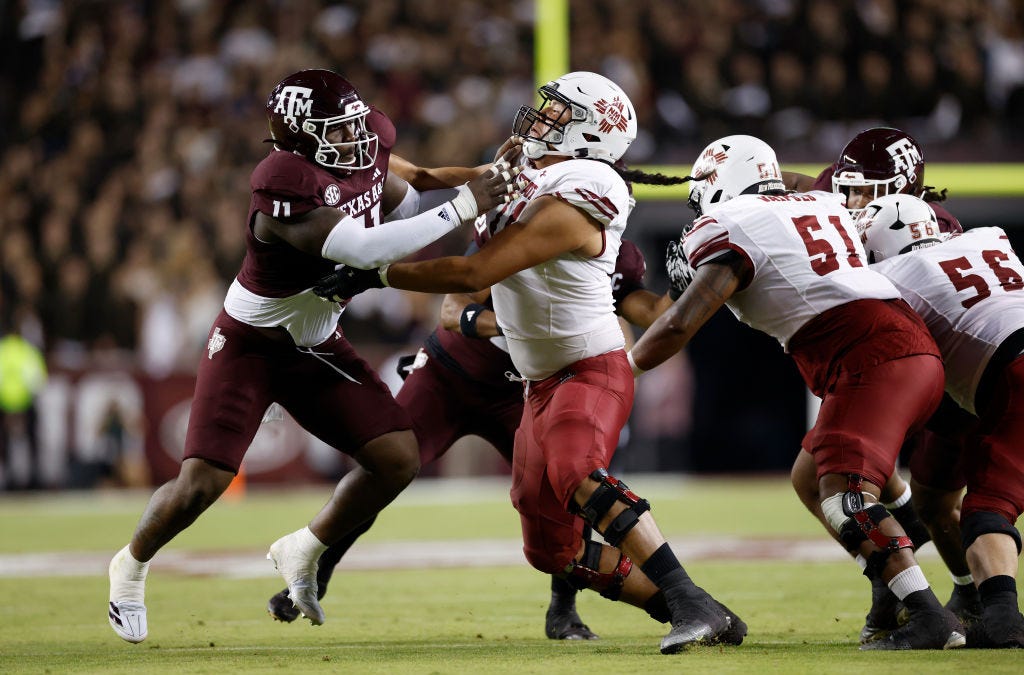
The discussion took a dramatic turn when the hosts revealed a report from Peter Schrager that the Lions are willing to trade up to the 13th pick to select Kaden Proctor. This move would be designed to prevent teams like Philadelphia and San Francisco from jumping ahead to grab a tackle. “If that scenario happens, a bidding war could be sparked among the tackles left,” the host said, asking Bishoff whether Brad Holmes would prefer to trade up for Proctor or trade back to acquire more picks. Bishoff was cautious, saying, “It’s a total unknown. I would love for them to do that, but I have no information that they’re going to.”
The possibility of trading up has raised questions about the Lions’ long-term strategy, especially given the strength of next year’s draft class. Bishoff emphasized that the 2027 class is loaded with elite talent at quarterback, receiver, and tackle. “Next year’s first round is going to be as good as we’ve seen in a while,” he said, noting that teams are eager to preserve their picks for that class. This has led some to wonder if the Lions might adopt a “gap year” approach, but Bishoff dismissed that notion. “No, because they’re good enough on offense that their offense should keep them in a position to compete,” he argued, pointing to the addition of center Kade Maize as a key upgrade.
The Lions’ offensive struggles last season were a major concern, with inconsistency plaguing their attack. Bishoff believes that Maize’s arrival will significantly improve the interior protection, allowing quarterback Jared Goff to step up in the pocket. “Pressure up the middle is a significant problem for his game,” Bishoff said. “Bolstering that is really good for their offense.” This focus on the offensive line reflects a broader strategy to support Goff and the running game, which could be the foundation of a playoff push.
But the Lions’ draft plans extend beyond the first round. Bishoff highlighted several intriguing options in the second round, including guard Emanuel Pregnon. “I like him as a prospect,” Bishoff said, though he noted concerns about Pregnon’s stance and false-step issues. “He’s a physical force, very aggressive, but I’m not sure he’ll be there at pick 50.” Another name mentioned was Spencer Jennings Dunker, who Bishoff believes could be a world-class center. “He’s super smart and gives you versatility,” he said, adding that such a player could be a valuable addition depending on the Lions’ first-round moves.
On the defensive side, the Lions have shown interest in Miami edge rusher Zake Messador, despite his injury history. Bishoff was intrigued by Messador’s potential, noting his hand usage and ability to get off blocks. “He’s an older player, going to be 25, but for the current window, he could play at a reasonable level right away,” Bishoff said. He also mentioned Caleb DS, a hybrid nickel corner who could be a game-changer. “He’s an awesome football player,” Bishoff said, though he cautioned that DS might not be available, potentially going as high as fifth overall to the Giants.
The draft’s unpredictability is a central theme, with Bishoff emphasizing that the Lions have multiple paths to success. “It’s not like they’re shut out after Day 1,” he said. “There are players that are intriguing that can help them.” This flexibility is crucial for a team that has been aggressive in free agency but conservative in the draft. The Lions’ decision to trade up or stay put will depend on how the board falls, but the stakes are high. A successful draft could solidify their offensive line for years, while a misstep could leave them scrambling.
As the draft approaches, the Lions’ front office is under immense pressure to deliver. The team has a window to compete, with a relatively easy schedule next season and a roster that is playoff-caliber. But the margin for error is thin. “They need to make appropriate moves to go and compete,” the host said, echoing Bishoff’s sentiment that the Lions are not in a rebuilding phase. The addition of Maize was a step in the right direction, but the draft will determine whether the Lions can take the next leap.
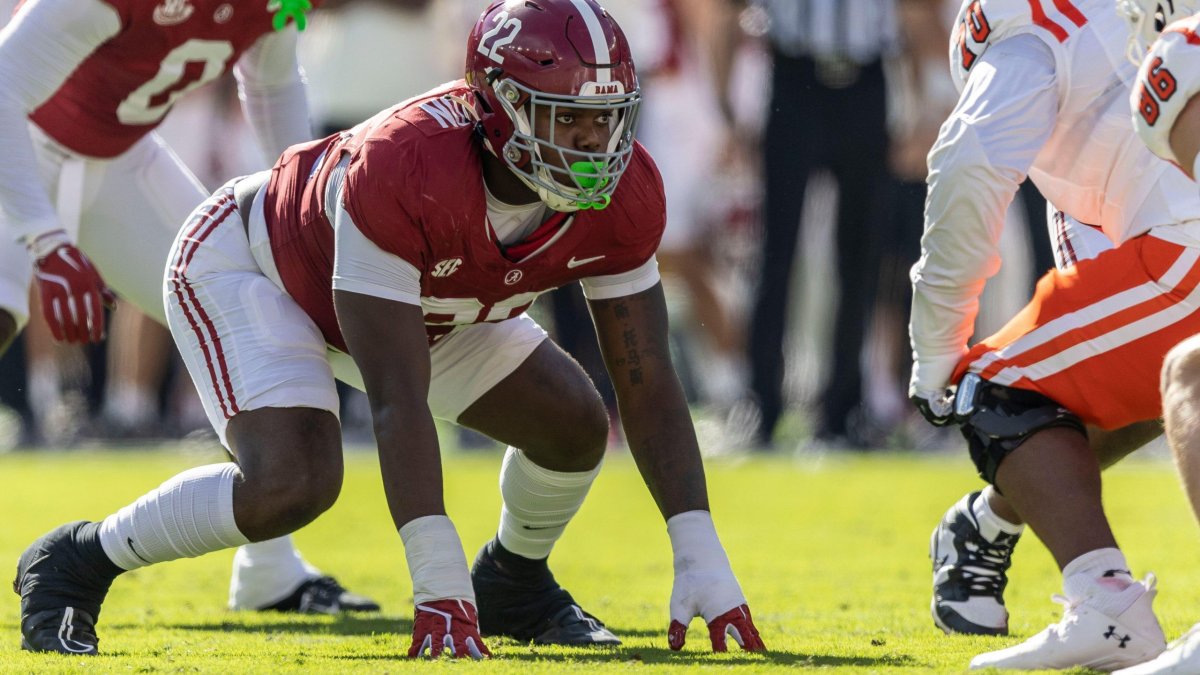
The debate over Blake Miller at 17 highlights the tension between need and value. While Miller is a safe pick with experience, his ceiling is limited. “He would be a safer, sort of jamming this pick in there because we feel we have to kind of pick,” Bishoff said. This contrasts with players like Kaden Proctor, who offer more upside but come with risks. The Lions’ philosophy under Brad Holmes has been to take the best player available, but the need at tackle might force them to deviate from that approach.
The possibility of a trade up to 13 adds another layer of complexity. If the Lions can secure Proctor, they would address a critical need while also sending a message that they are all-in on the current window. However, the cost of moving up could be steep, especially if it means sacrificing future picks. Bishoff noted that teams are reluctant to give up 2027 picks because of the strength of that class, which could limit the Lions’ options.
The Lions’ secondary is another area of concern, with questions about the health of Kirby Joseph and Brian Branch. Bishoff expressed optimism, saying, “Things look much better for their secondary if Kirby Joseph is ready to roll.” The addition of Izzy could help bridge the gap if Branch misses time, but the Lions need to ensure they have depth. This could influence their draft strategy, particularly if they opt for a defensive player in the first round.

The draft’s impact on the Lions’ offense cannot be overstated. With Goff at quarterback, the team needs a reliable offensive line to protect him and open holes for the running game. The addition of Maize was a start, but the tackle position remains a question mark. If the Lions can land a starter in the draft, it could transform their offense. “The scheme suits their players significantly better than having Goff hold the ball and take big shots down the field,” Bishoff said, referencing the shift to a more run-heavy approach under new offensive coordinator Drew Pating.
The Lions’ schedule next season is one of the easiest in the league, which could give them a path to the playoffs even if they don’t make a splash in the draft. But Bishoff warned against complacency. “I’m relatively bullish on the Lions,” he said. “I don’t think there’s a gap year at all.” This confidence is rooted in the belief that the Lions have the pieces to compete, but they need to execute on draft day.
The final hours before the draft are filled with rumors and speculation. The Lions are reportedly willing to move up, but they also have the option to trade back and accumulate assets. Bishoff’s analysis suggests that the Lions are in a strong position, regardless of which direction they choose. “There are players that are intriguing that can help them,” he said, emphasizing the depth of the draft class.

As the clock ticks down, the Lions’ front office is weighing their options. The decision to trade up for Kaden Proctor or stay put and take Blake Miller could define their season. But Bishoff’s insights offer a roadmap for success. “If they go edge and tackle in the first two rounds, they’re in a good spot,” he said. The Lions have the talent to compete, but the draft will determine whether they can take the next step.
The excitement is palpable as the draft approaches. Fans are eager to see what Brad Holmes has planned, and the speculation is only intensifying. The Lions’ decision could have ripple effects across the league, as other teams watch to see how the board falls. For now, all eyes are on Detroit, where a bold move could be in the works.
