The clock is ticking on the Chicago Bears’ future in Illinois, with a $5 billion domed stadium project in Arlington Heights hanging in the balance as the state legislature scrambles to pass critical tax reform before the end of spring, while the franchise simultaneously prepares for a potentially franchise-altering NFL Draft this Thursday in Pittsburgh. The stakes could not be higher for a team that has long been synonymous with the Windy City, as rival Indiana has already extended a formal invitation with its own incentive package, daring the Bears to cross state lines if Springfield fails to act. The proposed development, which includes a state-of-the-art domed stadium surrounded by an entertainment, retail, and lifestyle district, represents the most ambitious infrastructure project in franchise history, with the Bears committing more than $2 billion of their own capital. But the property tax landscape in Illinois, among the most burdensome in the nation for such ventures, has created a standoff that threatens to derail the entire endeavor. The Illinois House of Representatives is currently pushing legislation to allow a Payment in Lieu of Taxes, or PILOT, agreement, which would enable the team to negotiate an alternative tax structure with local authorities, with half of those revenues earmarked to reduce the tax burden on residents. The political calculus is delicate, but the pressure is mounting as Indiana’s aggressive courtship has made it clear that the Bears have options beyond the state’s borders. The timeline is brutal, with the legislation needing to pass both chambers and secure the governor’s signature before the spring session ends, or the conversation about relocation will shift from hypothetical to imminent. For fans, the thought of the Bears playing in Indiana is a gut-wrenching prospect, one that could redefine the identity of a franchise that has called Chicago home for over a century. The economic implications are staggering, with thousands of jobs, tourism revenue, and a sense of state pride hanging in the balance. The Bears are Illinois, and Illinois must figure that out before it is too late.
 Amid this existential drama, the Bears’ front office, led by General Manager Ryan Poles, is laser-focused on the draft, where seven picks offer a chance to reshape the roster for what could be a monster season. The headliner is pick number 25, but the biggest question is whether the Bears will even stay there. A mock draft scenario from analyst Pete Martuniak has gained significant traction, proposing a trade up from 25 to pick 10, currently held by the New York Giants, by surrendering this year’s second-round pick and next year’s second-round selection. The target is Ruben Bain Jr., the explosive edge rusher out of Miami, a player whose film screams dominance despite concerns about his short arms at the combine. Bain is a destroyer off the line, with elite technique, a relentless motor, and the strength to overwhelm offensive linemen in the pass rush. If he lives up to his potential, the Bears could have a young Khalil Mack on their hands, a weapon who would finally give Montez Sweat the partner he desperately needs. Sweat has been a force, but he cannot do it alone, and Bain would force quarterbacks to process faster, changing the game from the first snap of the first drive. This kind of aggressive move goes against Poles’ historically conservative draft philosophy, but Bain is a different kind of player, one worth the risk. If the Bears stay at 25, the depth of this edge rusher class ensures they will not be disappointed, with names like TJ Parker from Clemson, who posted five and a half sacks with a powerful, physical style, and Akeem Mesidor from Miami, both in the conversation. The talent does not fall off a cliff at 25, and Poles has the flexibility to adapt based on how the board falls.
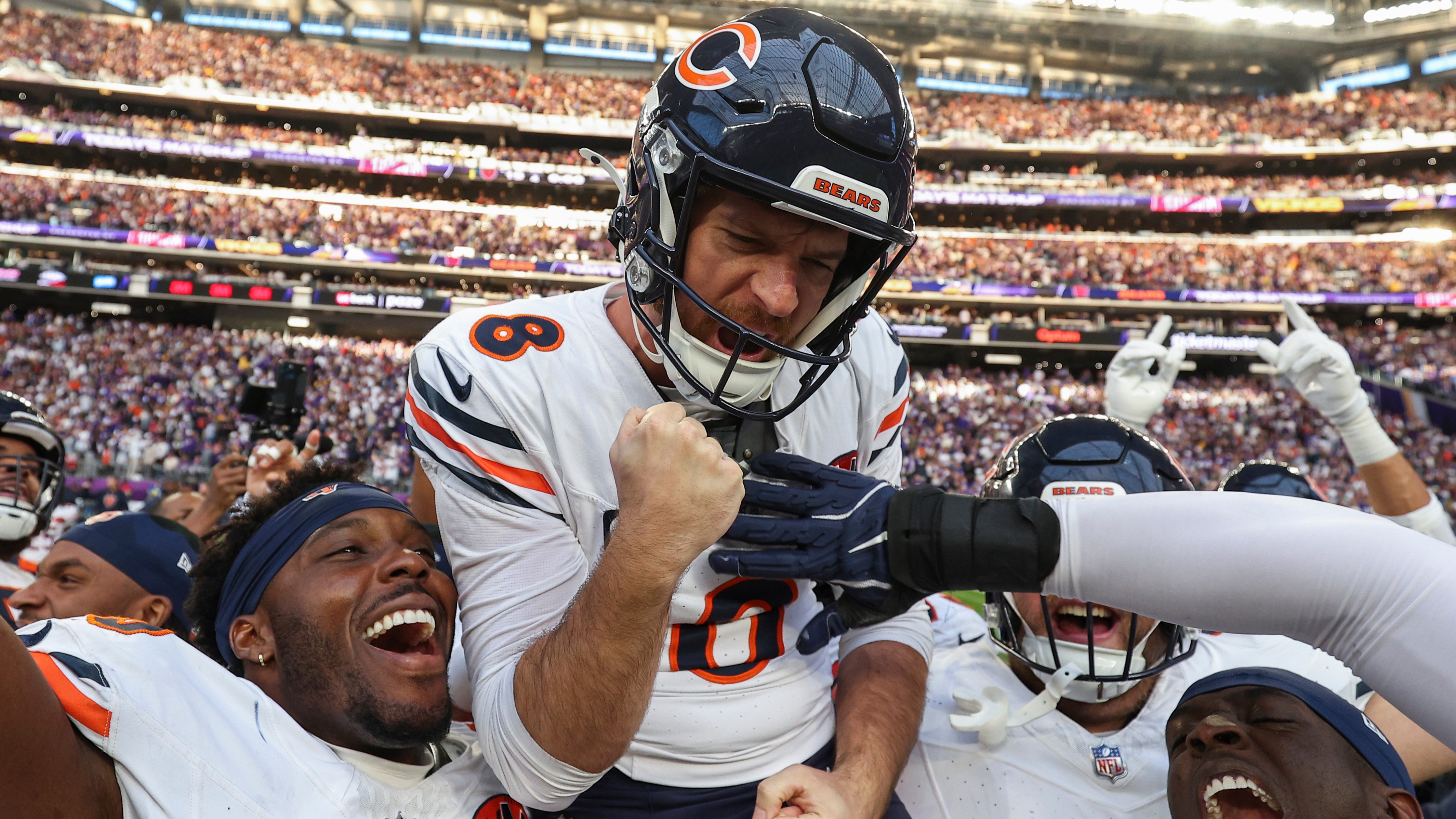
Day two of the draft is where Poles has made his money in Chicago, with second-round picks like Kyler Gordon, Lu Burden III, Gervon Dexter, Tyrique Stevenson, and Ozzy Trappilo all making significant impacts. This year, Poles has two second-round selections, picks 57 and 60, offering two shots to hit on high-upside players. At 57, the name that keeps coming up is Trey Benson, the safety out of Arizona, who spent most of his college career playing nickel cornerback, making the transition to safety smooth. He plays with speed, can match up near the line of scrimmage, and cover deep over the top, addressing a glaring need in the Bears’ secondary. Currently, Kyler Gordon and Elijah Hicks are the reliable safety options, but that is not a starting tandem for a team with championship expectations. Benson fixes that immediately, fitting perfectly into Dennis Allen’s scheme. At 60, the focus shifts to defensive tackle, where the Bears already have Grady Jarrett and a developing Gervon Dexter, but there is room for another high-upside piece. Lee Hunter, Grayson Halton, and Dominique Orange are all realistic options at 60, with Hunter standing out for his ability to move blockers, fill run gaps with discipline, and push into the pocket. In that defensive line room, with those veterans around him, the ceiling is high. And then there is the late-round wildcard that nobody is really talking about yet: Isaiah World, the offensive tackle out of Oregon, standing 6 foot 8 and weighing 315 pounds, with a massive frame and elite potential. He tore his ACL in the college football playoff against Indiana and missed the combine, causing him to fall in the draft. If he falls far enough, Poles absolutely needs to have his card ready, with Ozzy Trappilo recovering and Braxton Jones on a one-year prove-it deal, the Bears need to think about what that left tackle room looks like in two or three years. World could be that answer, a project with generational upside. Adding to the draft’s emotional weight, Hall of Fame offensive tackle Jimbo Covert, the anchor of the 1985 Bears offensive line, will be on stage in Pittsburgh presenting Chicago’s selections in rounds two and three, carrying the legacy of Super Bowl XX into the draft room.
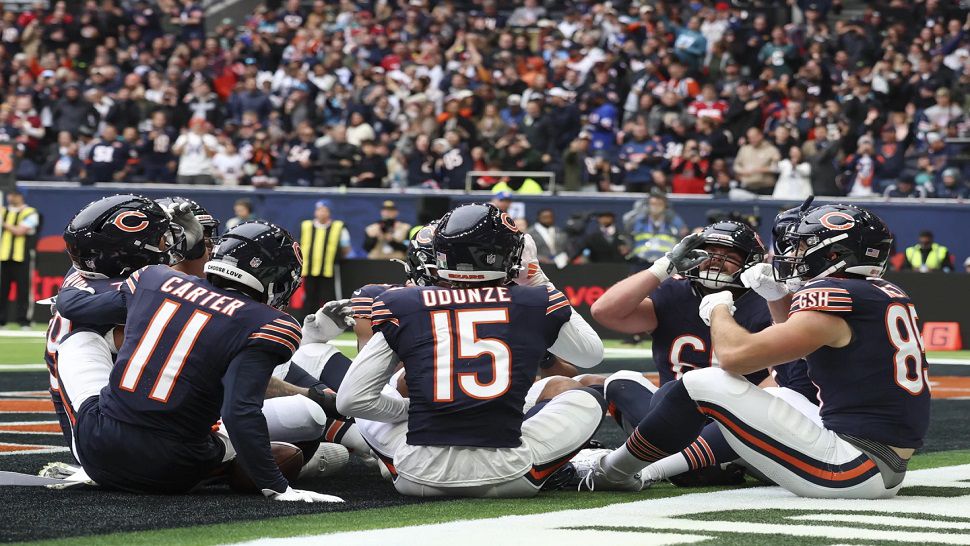
The offensive weaponry for quarterback Caleb Williams is also a critical focus, with a name starting to pop up in Bears draft circles: Bryce Lance, the wide receiver out of North Dakota State. At 6 foot 3 and 204 pounds, Lance ran a blistering 4.34 40-yard dash at his pro day, and he scored 25 total touchdowns across his three college seasons, including 17 in 2024 alone, an FCS record. Ryan Poles has a documented history of trusting FCS talent, making it almost a signature move at Halas Hall. After trading DJ Moore to the Buffalo Bills this offseason, the Bears have an opening at wide receiver that needs to be filled, and Ben Johnson’s offensive system thrives on speed, versatility, and the ability to create separation. Lance checks those boxes, and while some analysts think he could be available in the third round, his speed and production make it unlikely he lasts that long. If he is available, the Bears need to be ready, giving Johnson a 4.34 weapon to scheme into his offense. The draft starts Thursday, the stadium fight is at a breaking point, and the roster Caleb Williams runs out with in September could look completely different by Sunday morning if Illinois does its job in Springfield. If Poles makes a bold move in Pittsburgh and the right players land in Chicago, 2026 could be the year the Bears do not just compete, they take over. The pressure is immense, but the opportunity is even greater. The Bears are at a crossroads, and the decisions made in the coming days will define the franchise for a generation. The clock is ticking, and the world is watching.
