The Green Bay Packers’ backfield is in a state of high-stakes flux, with the future of star running back Josh Jacobs under intense scrutiny and the team actively evaluating a historically weak draft class to address concerning depth. This confluence of events has created a pivotal offseason moment for General Manager Brian Gutekunst, who faces pressure to improve a roster that saw nearly $100 million in talent depart in free agency.

A direct question posed to Gutekunst at the recent NFL owners meetings about securing a true backup for Jacobs yielded a non-committal response, highlighting organizational unease. The GM stated he likes the current group, including re-signed veteran AJ Dillon and the potential of 2023 third-round pick MarShawn Lloyd, but acknowledged the need to add competition. This public stance contradicts the visible tension surrounding the position.
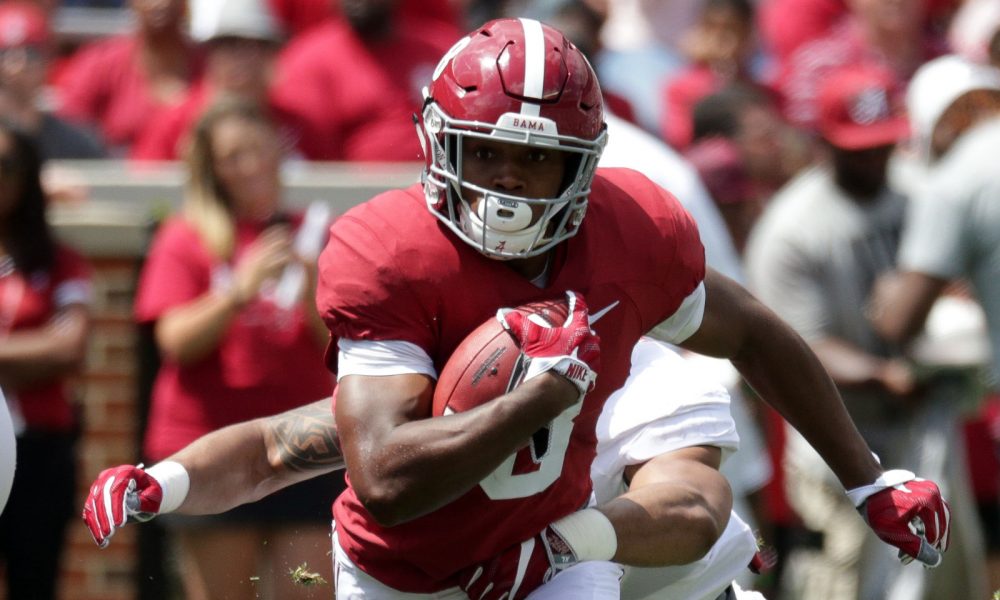
Analytical deep dives reveal a stark reality behind the starter. The combined career production of Dillon, Lloyd, and Pierre Strong Jr. amounts to just 187 carries, 909 yards, and three touchdowns—statistics that fall far short of championship-caliber depth. This glaring vulnerability forces the front office’s hand with the NFL Draft commencing April 23.
Compounding the strategic dilemma is the quality of the incoming rookie class. Scouting reports universally label this year’s running back prospects as one of the weakest groups in recent memory. Analysis of the Packers’ own draft history shows a preference for collegiate players averaging nearly six yards per carry, but the nine prospects who fit that profile this year are all ranked outside the top 95 overall.

The most intriguing name deviating from that historical model is Notre Dame’s Jadarian Price, ranked 44th overall. Price served as a backup but showcased explosive playmaking ability, including two kick return touchdowns, a trait highly valued in Green Bay. Using the team’s first selection, a second-round pick, on a backup runner remains a contentious and unlikely strategy given other roster needs.
This depth crisis exists alongside a shocking, parallel narrative gaining traction in league circles. Prominent analysts, including Pro Football Focus, have identified Josh Jacobs as the Packers’ most valuable and movable trade asset this offseason. The logic is coldly financial: Jacobs, 28, is entering the second year of a four-year, $48 million deal coming off a season where his yards per carry dipped to 4.0.
With no first-round pick following the blockbuster trade for Micah Parsons and minimal free-agent acquisitions, moving Jacobs is framed by some as the only viable path to acquire significant draft capital for a broader roster refresh. The argument suggests a shift toward a pass-heavy offense led by quarterback Jordan Love could mitigate the loss of a high-priced feature back.
However, the feasibility of such a franchise-altering move is highly questionable. Jacobs’ market value is depressed by his age, salary, and recent production, likely netting only a mid-to-late round draft pick in return. Trading him would instantly vaporize any backfield stability, thrusting the untested committee of Dillon, Lloyd, and Strong into primary roles—a scenario Gutekunst himself seems to acknowledge is insufficient.
The simultaneous emergence of these two storylines—exploring day-three draft picks for depth while weighing the trade of the established starter—paints a picture of a front office actively probing all avenues at a position of sudden uncertainty. It signals that the Packers are not settled at running back in any capacity, from the top of the depth chart to the bottom.
Gutekunst’s history adds a layer of unpredictability. His unprecedented trade for Parsons last summer proved he is capable of a dramatic, un-Packer-like move. The current offseason, however, has seen a return to conservatism, making a Jacobs trade seem out of character yet not entirely implausible given the roster-building constraints.
The coming days will be decisive. The Packers must navigate a draft lacking premium running back talent while the specter of a major trade looms. Every decision carries immense weight for a team with championship aspirations but a glaring, unaddressed vulnerability behind its star runner. The organization’s actions, or lack thereof, at the running back position will define the early trajectory of their 2025 season and reveal the true level of confidence in the roster as currently constructed.
Fans and analysts alike are left parsing the GM’s carefully worded public comments, aware that the quiet of this offseason may be the prelude to a storm. Whether through a late-round draft selection, a surprise trade, or standing pat, Brian Gutekunst’s calculus at running back will be one of the most consequential decisions of his tenure. The margin for error is razor-thin.
A bold move could completely transform the offense overnight.
