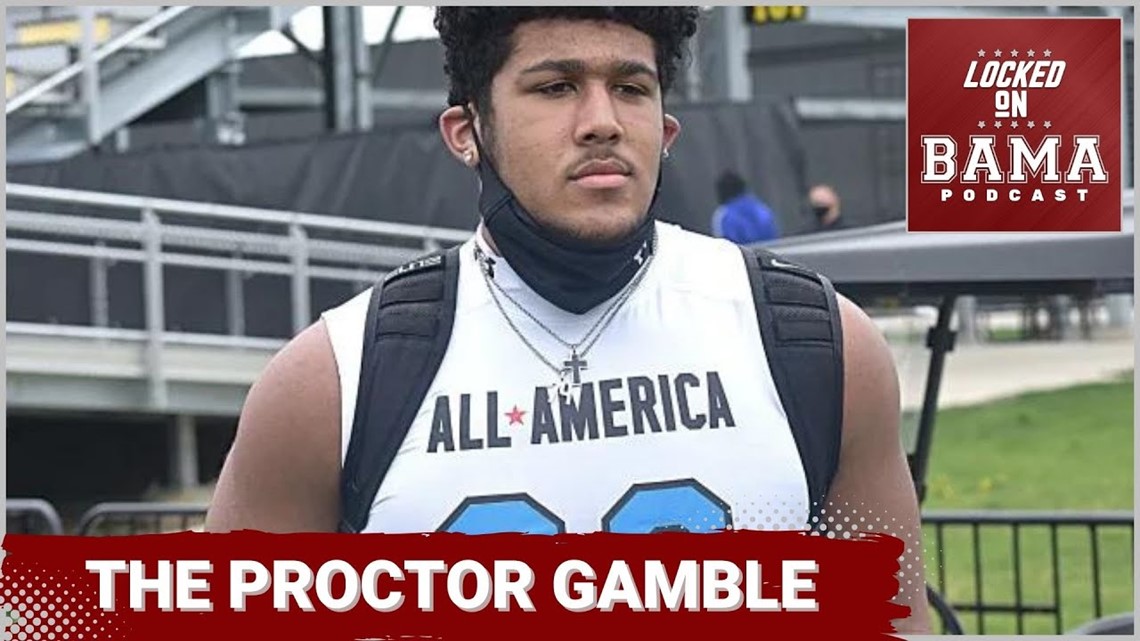
The Detroit Lions are poised for a dramatic first-round move, with a prominent final mock draft projecting a major trade and a polarizing selection to bolster their offensive line. In a comprehensive seven-round simulation released just days before the NFL Draft, the Lions are forecasted to aggressively address key needs, headlined by trading up from the 18th overall selection to secure the 17th pick and select Alabama offensive tackle Kaden Proctor.
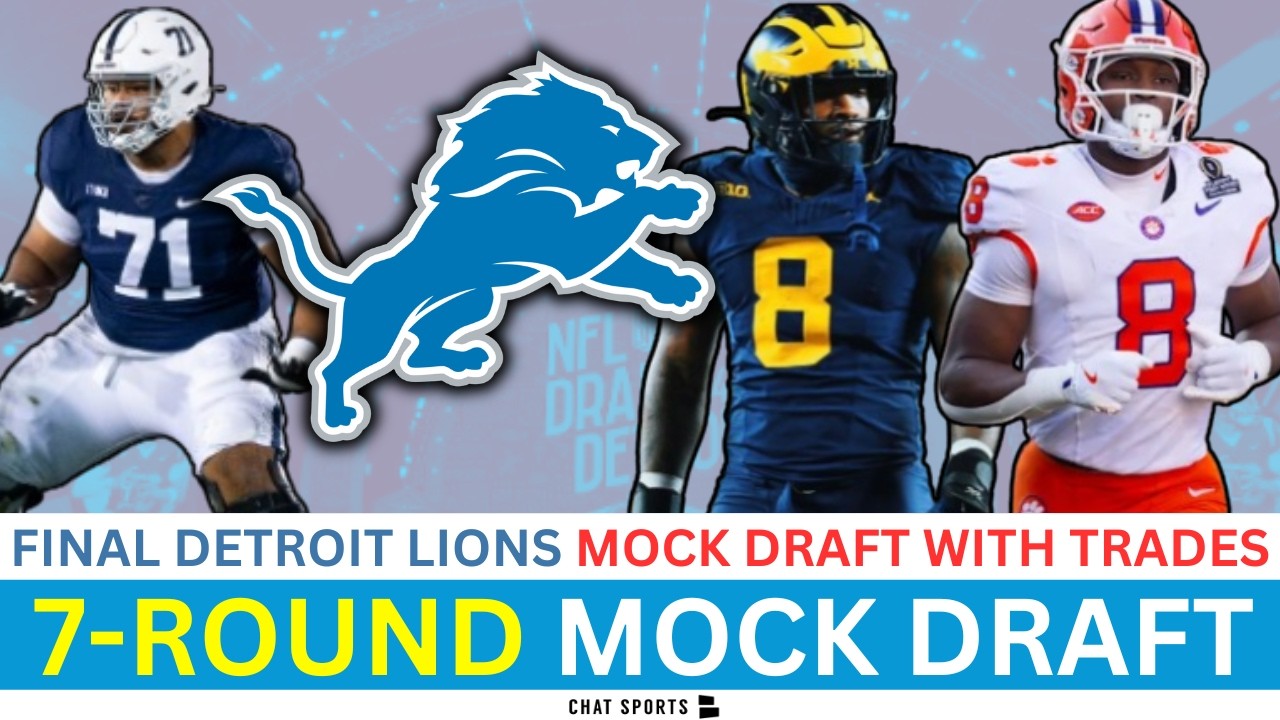
This bold prediction comes from a detailed analysis incorporating team visits, proven draft tendencies of General Manager Brad Holmes, and the overarching philosophy of balancing best player available with positional need. The mock anticipates Holmes’s trademark draft-day activity, executing a trade with the Buffalo Bills to move up one spot and acquire an additional third-round selection, a strategic move to replenish capital.

With the newly acquired 17th pick, the projection has the Lions ending Proctor’s slide. The Alabama tackle, possessing prototypical size and athleticism at 352 pounds, has been a persistent rumor in Lions’ circles for months. Analysts note Holmes’s attendance at his pro day and the organization’s proven ability to manage players with off-field considerations, making Detroit a logical landing spot despite other highly-rated tackles being available.
The Lions’ second-round strategy, at pick 50, turns to the defensive front. The mock has them selecting Michigan edge rusher Derrick Moore, aiming to bookend Aidan Hutchinson with a familiar collegiate talent. Moore, coming off a 10-sack season, is projected as a pure pass-rush disruptor to immediately bolster the team’s pressure packages, addressing a critical defensive deficiency.
In the third round, utilizing the pick 91 acquired from Buffalo, the simulation addresses the secondary. The selection is TCU safety Bud Clark, a versatile defensive back valued for his ball-hawking ability and capacity to play multiple roles in the defensive backfield. This move is seen as providing crucial depth and a potential immediate contributor, especially with questions surrounding the return timelines of key veterans.
The draft strategy shifts to the trenches in the fifth round with pick 128. Here, the mock selects Alabama defensive tackle Tim Keenan, a massive run-stuffing interior presence. This pick aligns directly with the Lions’ stated offseason goal of dramatically improving their run defense, adding a rotational body to compete with established veterans and fill the void left by departing free agents.
Tight end depth is targeted in the sixth round at pick 181. The projection sends Texas A&M’s physical blocker, Nate Boerichter, to Detroit. Described as a “Dan Campbell type of player,” his selection reinforces the team’s identity, providing a developmental prospect who could compete for a roster spot as a blocking specialist in a crowded tight end room.
The Lions double-dip in the sixth round with pick 205, selecting Clemson running back Phil Mafah. This pick aims to add a powerful, between-the-tackles complement to the existing backfield, providing insurance and competition given the injury histories of David Montgomery and the departed Jahmyr Gibbs. Mafah’s physical running style and collegiate production make him a value selection this late.
A flier on secondary depth comes at pick 221 in the seventh round with the selection of cornerback Theotis Dixon. This represents a pure best-player-available pick, adding a competitive body to a revamped cornerback room for training camp, with minimal expectation but potential for special teams contribution.
The final pick of the mock, number 222 overall, concludes with a fascinating developmental quarterback selection: North Dakota State’s Cam Miller. The mobile quarterback, who completed over 72% of his passes last season, fits the profile of a player the Lions have shown interest in throughout the process. This pick would set up a competition for the third quarterback role behind Jared Goff and Hendon Hooker.
This final seven-round forecast sets a clear agenda for the Lions: protect the franchise quarterback, pressure the opponent’s, and add toughness across the roster. The projection of a trade-up for Proctor will undoubtedly spark intense debate among the fanbase, highlighting the high-stakes nature of Holmes’s decisions as the draft clock ticks down. All eyes now turn to Detroit’s war room to see if reality mirrors this ambitious prediction.
A critical decision is approaching that may define Detroit’s future.
