The San Francisco 49ers have executed a critical, multi-layered maneuver ahead of the 2026 NFL Draft, securing franchise cornerstone Trent Williams with a restructured contract while simultaneously laying the groundwork for a major offensive infusion. This dual-pronged strategy stabilizes the team’s immediate foundation and targets future firepower, marking a pivotal moment in their offseason.
League sources confirm Williams and the organization have reached a new agreement, effectively converting a significant portion of his $32.2 million in non-guaranteed “funny money” into real, guaranteed capital. The deal is structured as a practical two-year commitment, honoring the future Hall of Famer’s value while managing the realities of an aging roster.

This move eliminates a potentially disruptive contractual stalemate and solidifies the blindside for quarterback Brock Purdy. Williams’ presence as the offensive line’s anchor and locker room leader provides indispensable stability. The front office has prioritized certainty, ensuring their premier protector is not in limbo as draft preparations intensify.
Concurrently, the 49ers’ draft intentions have crystallized into an undeniable operation. The team has conducted Top 30 visits with at least five wide receiver prospects, a historical indicator they will select at the position. This aggressive scouting push signals a deliberate plan to reshape the receiver room for the post-2026 landscape.
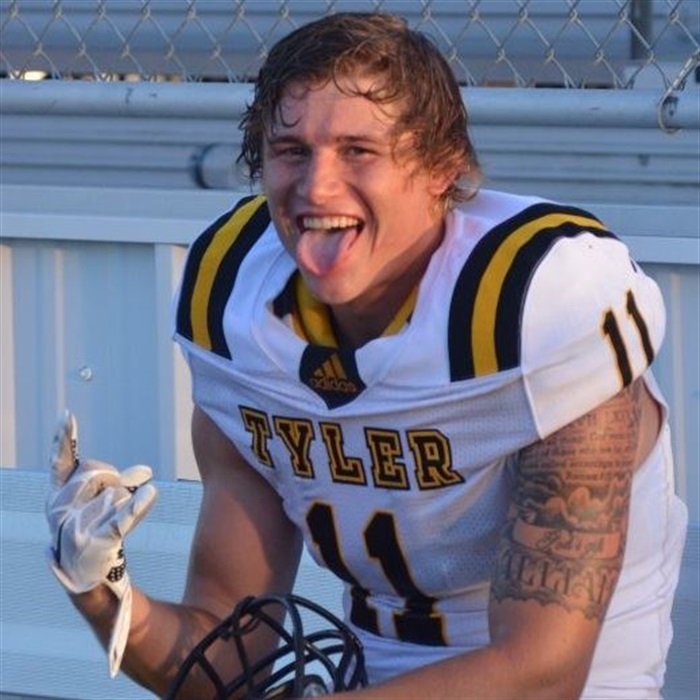
Among the visited prospects, Tennessee’s Chris Brazell embodies the specific archetype the Niners are targeting: a tall, speedy field-stretcher with elite physical traits requiring development. This preference for high-upside projects is a calculated shift enabled by their earlier veteran free-agent signings at receiver, which provide a present-day safety net.
This receiver focus is not a reaction to immediate need but a proactive safeguard. Beyond Brandon Aiyuk, only Ricky Pearsall remains under contract with prior touchdown production for the team. The front office is systematically addressing a looming future shortage, ensuring the offense does not face a cliff.
The draft strategy now presents a clear tension. With no third-round pick but four fourth-round selections, the Niners must balance immediate impact with long-term investment. The depth of the edge rusher class is seen as a pressing concern that may demand early attention, potentially pushing receiver selections into the valuable mid-rounds.
This creates a likely scenario where San Francisco addresses the defensive line with their first or second pick, then uses their cluster of fourth-round capital to select a high-ceiling receiver like Brazell or Florida’s Caleb Douglas. This approach balances win-now urgency with strategic roster building.
The organization’s layered thinking extends to other acquisitions, including cornerback Jack Jones, a scheme-fit for their zone coverage preferences. Each move interconnects, creating roster flexibility and allowing the draft board to dictate value rather than desperate need.
By resolving the Williams situation pre-draft, the 49ers have removed a major variable. The front office can now enter the selection process with a settled core, free to execute a board-driven strategy aimed at both sustaining a championship window and engineering its future.
This series of actions reveals a franchise operating with clear, coordinated purpose. They have secured their most important veteran, identified a key position for draft investment, and positioned their capital to maximize optionality. The stage is now set for a draft that will define the next era of 49ers football.
The message from Santa Clara is unequivocal: the quest for a championship continues on dual timelines. The foundation is shored up with Williams, while the draft will be leveraged to inject the explosive talent needed to finish the job. All eyes now turn to the draft board, where the blueprint becomes reality.
A perfectly timed move could give San Francisco a major edge.
