The San Francisco 49ers have bolstered their defensive line depth ahead of the NFL Draft, agreeing to terms with veteran defensive end Cam Sample on a one-year contract. This move addresses a critical need for rotational support along a defensive front that saw significant attrition this offseason. Sample, a former fourth-round pick of the Cincinnati Bengals in 2021, brings experience in a specific role the 49ers have historically valued.
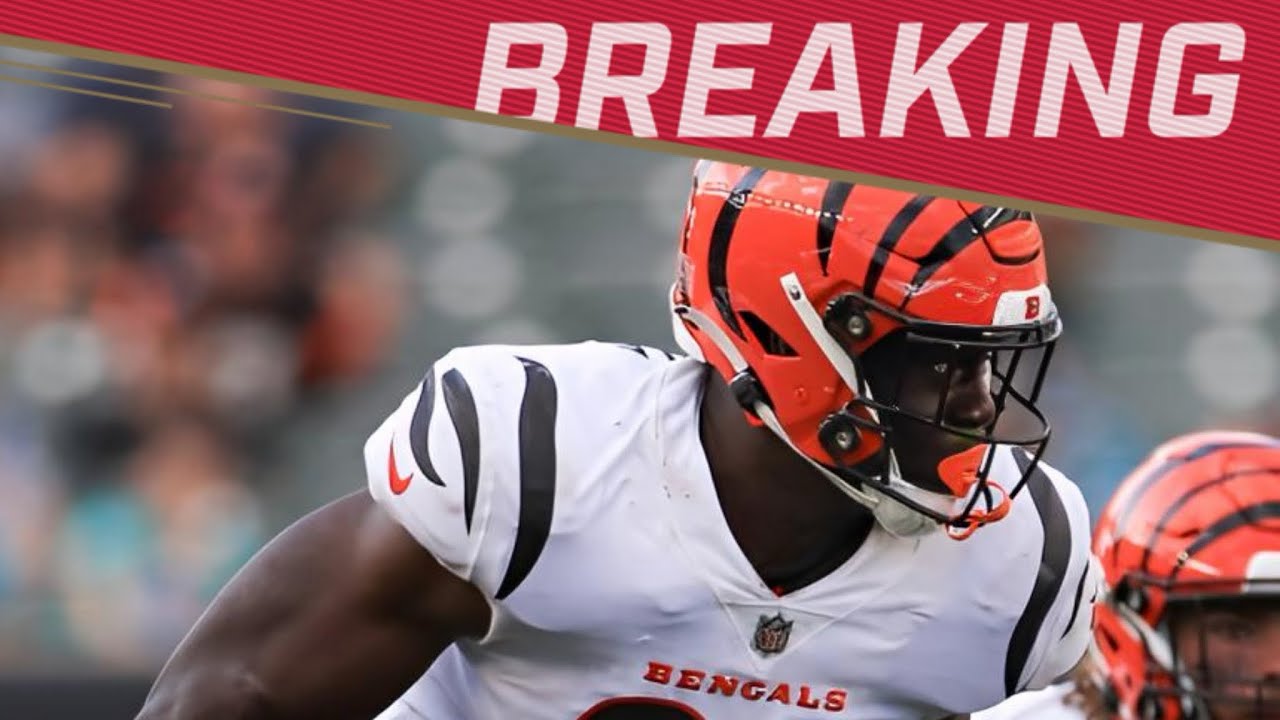
His profile fits a familiar archetype for the franchise: a base-down edge player strong at setting the edge against the run who can also kick inside to rush over guards in passing situations. This versatility mirrors how the team previously utilized players like Charles Omenihu and Arden Key, who found success in San Francisco before departing in free agency. Sample’s signing comes as the 49ers manage a position group in flux.
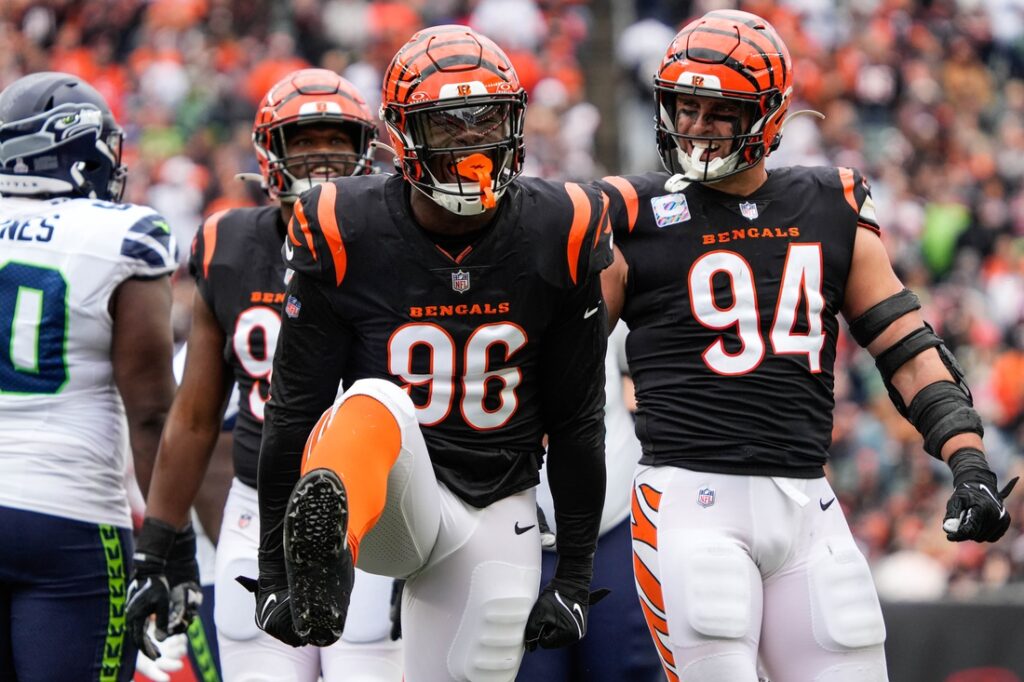
The departures of key rotational pieces like Randy Gregory and the retirement of Yetur Gross-Matos, coupled with Clelin Ferrell’s free agency exit, created a notable void. While stars Nick Bosa and Drake Jackson return, and the team hopes for a healthy comeback from 2023 second-round pick Robert Beal Jr., the depth chart required reinforcement. Sample represents a cost-effective, known quantity to fill part of that void.
However, the signing underscores rather than eliminates the 49ers’ most pressing draft need. Sample’s career trajectory suggests he is a depth piece, not a definitive answer. After a promising senior season at Tulane with 7.5 sacks, his NFL production has been modest, with a career-high of three sacks in 2022. His 2023 season was lost entirely to a torn Achilles suffered in training camp.

He returned to action in 2024 but was limited to a backup role, recording nine tackles and zero sacks in 11 games last season. The 49ers are betting on his familiarity with a specific defensive scheme fit and his ability to contribute on roughly 15-20% of defensive snaps. This is a low-risk, potentially solid reward signing for a front office managing a tight salary cap.
The immediate impact of this acquisition is its clear signal to the draft room. While it provides a veteran body for the rotation, it does not preclude the 49ers from aggressively targeting a high-ceiling edge rusher later this month. In fact, it may give General Manager John Lynch and Head Coach Kyle Shanahan more flexibility in how they approach their early selections.
The consensus among analysts is that San Francisco’s first-round decision, holding the 31st overall pick, is likely between three positions: offensive line, wide receiver, and edge rusher. Historical trends under this regime show a reluctance to select offensive linemen in the first two rounds, with Mike McGlinchey being a notable exception. Wide receiver remains a strong possibility, especially following the trade of Brandon Aiyuk.
Yet, the sheer necessity on the edge, even after adding Sample, might tilt the scales. The draft’s strength at the edge rusher position is perceived to be on Day Two, which could influence the 49ers’ strategy. If a top-tier tackle or receiver is available at 31, they could feel more comfortable selecting that player knowing they can address edge with their second-round pick or by trading back to acquire more Day Two capital.
This draft is considered deep in several areas of need for San Francisco, including the defensive line. Acquiring additional picks in the second or third rounds would allow them to target both an edge rusher and other needs like safety, interior offensive line, and running back depth. The Sample signing does not close any doors; it simply adds a floor to the position group’s outlook.
Fans should view this move as part of a broader, calculated offseason approach. Following a relatively quiet 2024 free agency period, the 49ers have been strategic this spring, adding veterans like Jordan Elliott and now Sample on manageable deals while making a major splash by signing wide receiver Mike Evans. The philosophy appears focused on filling holes with competent veterans to avoid reaching for needs in the draft.
This sets the stage for a best-player-available approach, at least within a cluster of targeted positions. The performance of the defensive line, particularly its depth, was a factor in the team’s defensive struggles last season. Ensuring that group does not collapse if injuries strike again is paramount for a team with immediate Super Bowl aspirations.
Cam Sample’s role will be to hold the fort, provide quality snaps in relief, and allow the defensive scheme to function as designed. His success will be measured not in sack totals, but in his ability to maintain defensive integrity when he is on the field. His recovery from a major injury and adaptation to a new system will be key factors to monitor during training camp.
All eyes now turn to the draft board in Detroit. The 49ers have positioned themselves to be opportunistic. They could stand pat and select the highest-rated player on their board at a premium position, or they could execute a trade, moving back to accumulate the Day Two picks that align with this draft’s perceived value. The Sample acquisition provides a slight buffer but increases the pressure to find a long-term difference-maker.
The coming days will reveal whether the front office views the edge rusher room as sufficiently patched or still in critical need of a blue-chip infusion. One thing is certain: the signing of a rotational veteran like Cam Sample is a pre-draft maneuver, not a final solution. The real test of this offseason’s strategy will come on April 25th, when the 49ers are officially on the clock, with their championship window wide open.
Source: YouTube
A low-key signing may have massive ripple effects on how the team approaches the draft.
https://www.youtube.com/watch?v=bkyQRUb4roo
