The San Francisco 49ers have definitively closed the book on one of the offseason’s most persistent and unusual narratives, while simultaneously unveiling a major financial commitment to rectify tangible issues that plagued their 2023 campaign.
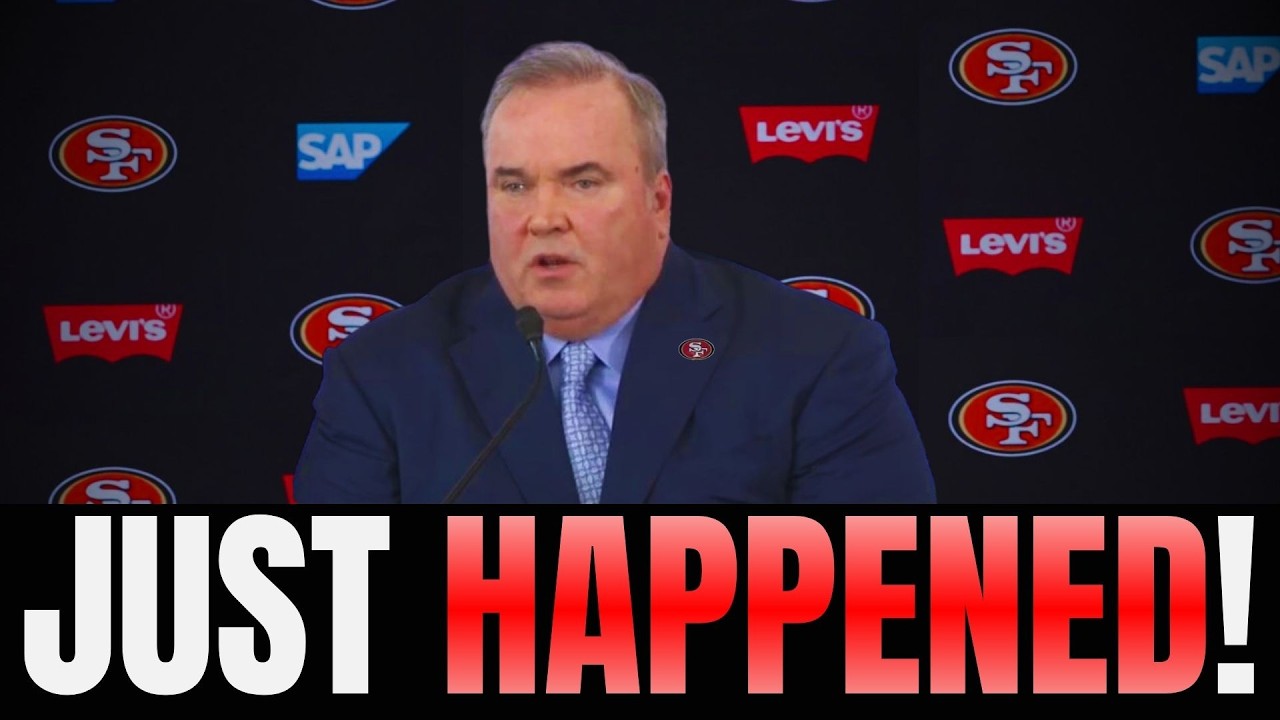
General Manager John Lynch, speaking at the NFL’s annual meeting in Phoenix, directly addressed the swirling theories linking a nearby electrical substation to player injuries and performance. Lynch revealed the organization commissioned an independent, third-party scientist to conduct a comprehensive investigation.

The expert, armed with lab-grade equipment, tested electromagnetic levels throughout the 49ers’ facility. This included the practice fields, weight room, cafeteria, and all player and staff areas. The findings were unequivocal and left no room for ambiguity.
Lynch stated the electromagnetic levels registered were exactly what would be expected in any normal workplace environment. They were not elevated, nor were they dangerous. The GM emphasized the readings were approximately 400 times lower than any threshold considered unsafe.
In a blunt assessment that may outlive the controversy itself, Lynch labeled the entire situation a “nothingburger.” The investigation underscores the team’s protocol of taking all player safety concerns seriously, even those perceived as speculative, by seeking empirical evidence.
With that chapter officially closed, the organization pivoted to addressing last season’s very real injury woes with substantial action. Lynch announced a significant $9 million investment specifically targeted at player recovery and health infrastructure.
This capital injection is funding a major expansion of the team’s hydrotherapy facilities. The upgrades include state-of-the-art pools, water treadmills, and an enhanced suite of hot and cold treatment options critical for daily recovery and maintenance.
Furthermore, the 49ers are bolstering their medical staff by adding three new physical therapists. This expansion aims to provide more individualized attention and care for a roster that can swell to 90 players in the offseason, easing the relentless demand on personnel.
The approach signals an evolution rather than an overhaul. The team is reinforcing its existing foundation, choosing to strengthen and expand resources rather than initiate a sweeping dismissal of the current health and performance staff.
On the roster front, Lynch projected strong optimism regarding a new contract for star left tackle Trent Williams, indicating a deal that would secure him for the coming season is imminent. His presence is considered foundational for offensive stability.
However, competition will define the left guard position. Lynch confirmed the job is “wide open,” with a battle expected between Robert Jones, Brett Toth, Colton McKivitz, and Nick Zakelj, potentially welcoming further additions before training camp.
The GM also moved decisively to quash several high-profile rumors circulating about the team. He explicitly stated the 49ers cannot afford to pursue edge rusher Joey Bosa, effectively ending speculation about pairing him with his brother, Nick.
That financial reality also extinguishes any faint possibility of a move for Cleveland’s Myles Garrett. Lynch also firmly denied reports suggesting cornerback Renardo Green was a trade candidate, expressing expectation for a “big jump” from the young defender.
The health outlook for several key players provides a further boost to the team’s offseason momentum. Edge rusher Nick Bosa is anticipated to be ready around training camp, working toward full availability for Week One.
Tight end George Kittle, recovering from a serious core muscle injury, is generating hope he could be ready for the season opener, with the nature of his surgery reportedly favoring a strong recovery timeline. Safety Nick Martin is also fully cleared and working.
Lynch highlighted the value of added veteran experience in the wide receiver room, referencing newcomers like Mike Evans and Christian Kirk. Their leadership is viewed as a key component in the overall evolution of the team’s culture and preparation.
The 49ers enter the draft holding their first-round pick and multiple subsequent selections, retaining flexibility to add impact talent. The organization’s quiet confidence stems from a methodical offseason addressing distractions, health, and roster depth.
This multifaceted strategy—debunking myths, investing in infrastructure, managing the roster with fiscal discipline, and integrating seasoned leaders—frames a clear picture of a contender not rebuilding, but deliberately refining its operation.
The overarching question now shifts from speculative theories to practical expectations. The 49ers have positioned their resources and rhetoric toward a single goal: transforming the promise of a talented roster into sustained performance on the field.
A major update has just been confirmed, and its impact could be massive.
