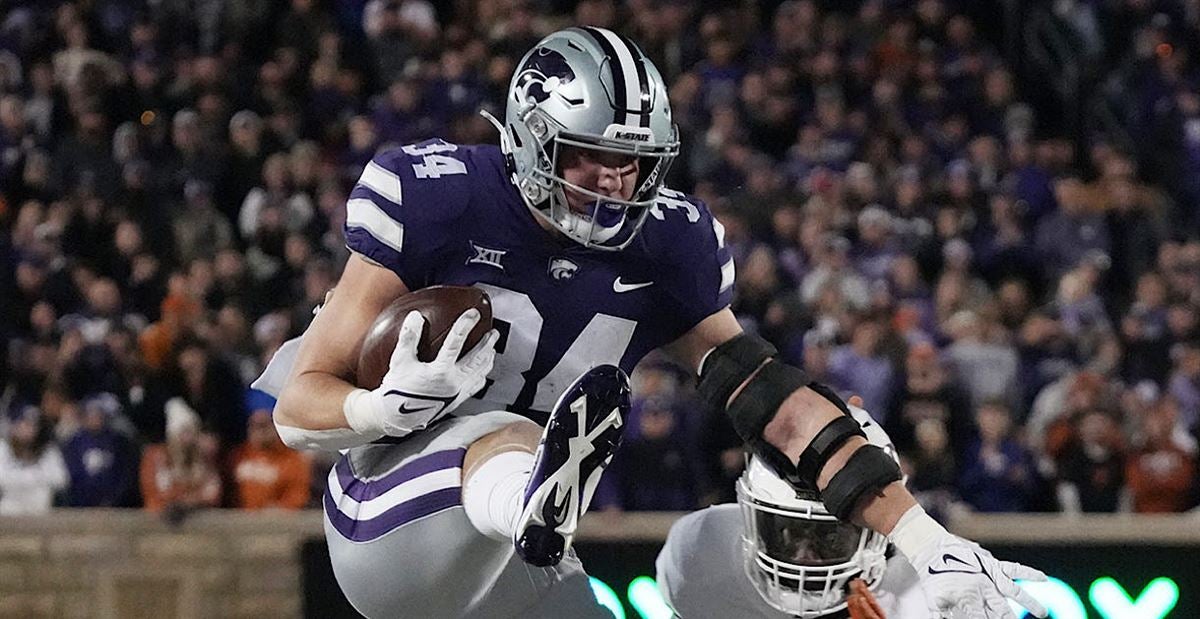
The Detroit Lions’ draft strategy is under intense scrutiny as a blockbuster trade proposal involving star tight end Sam LaPorta has ignited fierce debate among fans and analysts. NFL.com has floated a scenario where the Lions would send LaPorta, the 17th overall pick, and pick 205 to the Washington Commanders for the 7th overall selection, a third-round pick, and tight end Ben Sinnott. The potential move to jump ten spots in the first round is considered a seismic shift for a team coming off an NFC Championship appearance.

Reaction to the proposed trade has been overwhelmingly negative from key voices covering the team. Analysts quickly dismissed the logic of dealing a proven, record-setting weapon like LaPorta for a draft gamble, especially when he has developed a critical rapport with quarterback Jared Goff. Concerns about LaPorta’s offseason back surgery were downplayed, with sources emphasizing the procedure was minor and not a spinal fusion, with a full recovery expected.

The speculation arrives amid a palpable shift in team culture, as head coach Dan Campbell addressed the departures of longtime veterans. Campbell expressed gratitude for left tackle Taylor Decker’s service but acknowledged the business realities after Decker, who requested his release, expressed disappointment over a lack of ongoing communication from the organization. The sentiment echoes a broader organizational stance moving on from certain veteran personalities.
This follows pointed comments from former linebacker Alex Anzalone regarding financial dealings, contributing to a perception the Lions are streamlining their locker room. The franchise’s decision to seek repayment of a portion of Frank Ragnow’s signing bonus following his retirement has become a flashpoint, drawing criticism from peers like Travis Kelce but also sparking a defense of the club’s right to recoup funds for unfulfilled contract years.
In the midst of these controversies, the Lions made a concrete roster move, agreeing to terms with veteran safety Chuck Clark. The signing is viewed as a cost-effective depth addition for a secondary that expects to see Brian Branch and Kerby Joseph as starters, allowing the team to address the position with a long-term view in the draft rather than through high-priced free agency.
As the draft approaches, expert projections reveal a clear divide on how the Lions should use their premium capital. A prominent seven-round mock draft from Lions analyst Mike Payton envisions the team selecting Penn State guard Vea Iloa at No. 17, a move that would bolster the interior but immediately create a vacancy at right tackle. Payton’s mock then addresses linebacker, edge rusher, and offensive tackle in subsequent rounds.
This strategy, however, is contested by those who believe securing a starting-caliber offensive tackle at No. 17 is non-negotiable. The protection of Jared Goff is cited as the paramount offensive priority, with analysts arguing that investing in a blue-chip tackle prospect is more critical than adding an elite guard, regardless of Iloa’s talent. The debate underscores the high-stakes calculus facing General Manager Brad Holmes.
The mock draft continues with the Lions selecting Cincinnati linebacker Jake Moody at pick 50, filling a direct need created by Anzalone’s departure. Payton’s projection then has the Lions trading up to the 88th pick to select Michigan edge rusher Derrick Moore, signaling a aggressive move to bolster the team’s pass rush, which remains a glaring concern.
Later-round selections in the projection include Memphis offensive tackle Travis Burke, USC edge rusher Anthony Lucas, and South Carolina defensive tackle Nick Barrett, aiming to add bulk and depth to the trenches. The mock concludes with picks dedicated to cornerback, tight end, and another edge rusher, demonstrating a focus on defensive front-seven depth and developmental offensive pieces.
This comprehensive approach earned a B grade from the analyst, who praised the need-filling philosophy but remained adamant that the first-round priority must be tackle. The Lions’ war room is now positioned at a franchise-defining crossroads, weighing the value of a known superstar in LaPorta against the allure of a top-ten draft pick in a deep class.
Further complicating the decision is the state of the offensive line. With Decker’s era concluded, the left tackle spot is set to be manned by Penei Sewell, creating a major hole on the right side. Relying on a mid-to-late round rookie or a veteran like Larry Borom as the immediate starter is seen as a significant risk for a championship-aspiring team.
The edge rusher dilemma also looms large. While Aidan Hutchinson is a cornerstone, the opposite side lacks a consistent threat. Doubling down on the position in the draft, as Payton’s mock suggests with three selections, indicates the depth of the need. The potential of pairing Hutchinson with a dynamic rookie like Moore could transform the defensive front.
Internally, the Lions’ philosophy appears to be one of pragmatic, tough-minded business decisions, as evidenced by the Ragnow situation and the clean breaks with veterans. This ethos may now extend to the draft, where sentimentality is set aside for strategic roster construction aimed at sustaining long-term contention.
All eyes will be on Holmes to see if he stands pat, makes a dramatic leap up the board, or even trades back to accumulate more assets. The consensus among league observers is that the Lions are one of the most fascinating teams heading into draft night, holding the keys to a pick that could alter the landscape of the NFC. The pressure is on to build upon last season’s success without compromising the core that made it possible.
Bold strategies are emerging that could reshape the roster in unexpected ways.
