The New York Yankees face a franchise-altering decision as superstar second baseman Jazz Chisholm Jr. enters his contract year with a massive contract demand and a front office shrouded in silence. Chisholm has publicly stated he seeks an eight-to-ten year deal worth approximately $35 million annually, a figure that has sparked intense debate but is supported by compelling on-field performance data.

General Manager Brian Cashman has not yet initiated extension talks with Chisholm’s representatives, a strategic pause that risks alienating a cornerstone player. This hesitation comes despite Chisholm’s declaration of love for New York and his desire to remain in pinstripes long-term. The stalemate casts a shadow over a season with legitimate World Series aspirations.
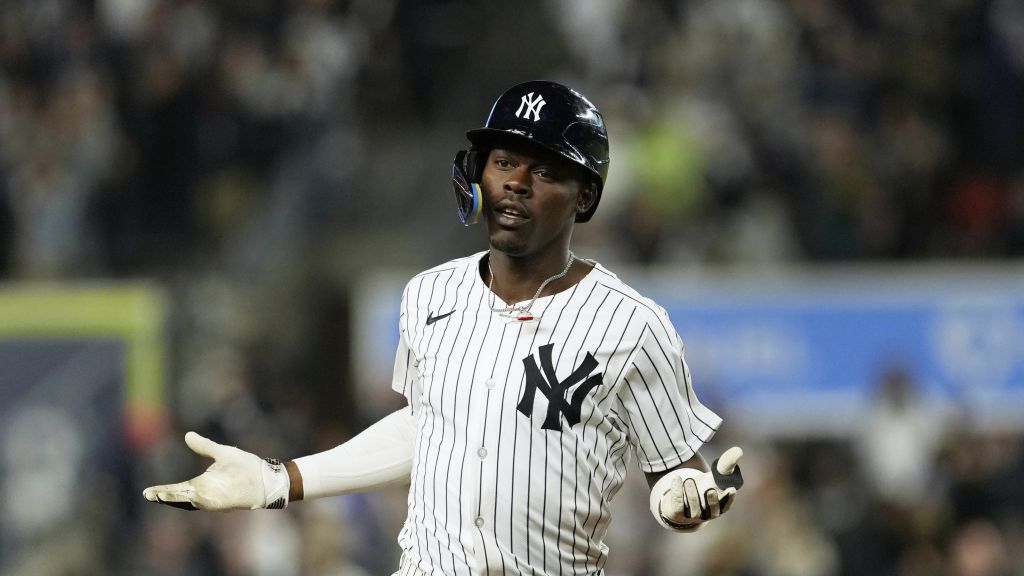
Chisholm’s contract demands were labeled “delusional” by some analysts, but a deeper statistical analysis reveals a player arguably undervalued by his own market. Since joining the Yankees via trade in July 2024, Chisholm has accumulated a 6.7 WAR, ranking eighth among all American League position players in that span.
This performance surpasses the 5.5 WAR posted by Kyle Tucker, the superstar outfielder who recently signed a record $60 million annual contract with the Los Angeles Dodgers. Chisholm’s 2025 Silver Slugger campaign featured 31 home runs and 31 stolen bases, cementing his status as a rare five-tool talent entering his prime at age 28.
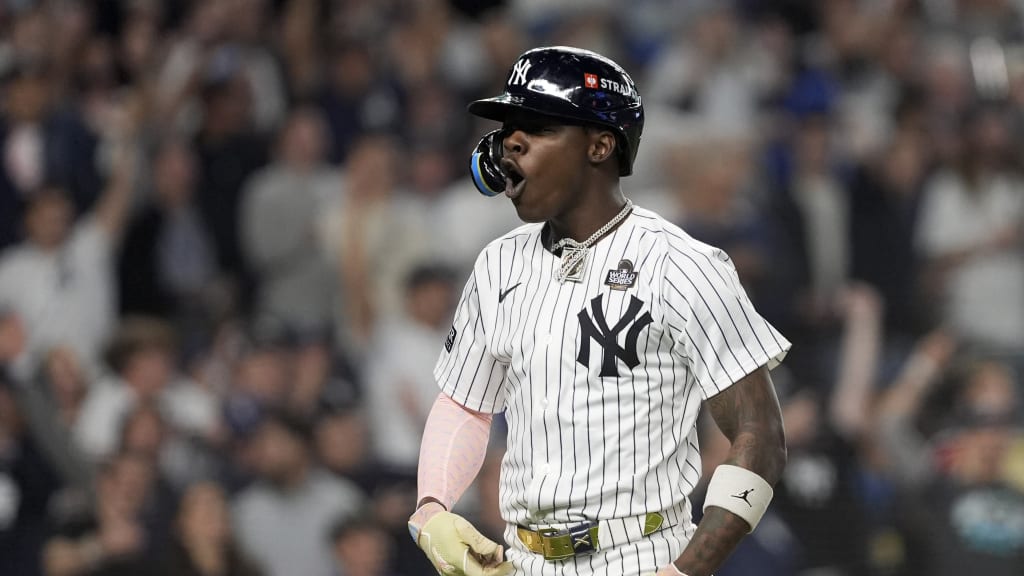
An anonymous scout told NJ.com the open market could push Chisholm’s value beyond his own asking price, potentially to $40 million per year. “The Dodgers just gave Kyle Tucker $60 million. I’d take Chisholm over Tucker on my team,” the evaluator stated. This external validation intensifies pressure on the Yankees’ front office.
The financial landscape presents a formidable obstacle. New York’s payroll is already projected to exceed $317 million for the 2026 season, placing them third in MLB. Adding Chisholm at $35 million would carry a roughly $40 million luxury tax hit, pushing spending into territory owner Hal Steinbrenner has previously called unsustainable.
This fiscal reality is the likely root of Cashman’s silence. The organization must weigh the cost of a megadeal against other roster needs, notably a bullpen that ranked 23rd in ERA last season and remains a concern. The calculus involves more than just one player’s salary.
Historical parallels loom large. The Yankees’ decision to let Robinson Canó walk after the 2013 season is often cited as a prudent move, but Chisholm is two years younger than Canó was and brings a broader, more athletic skillset to the table. The trajectory of his career appears sharply upward.
Furthermore, Cashman’s own future adds a layer of intrigue. His contract as General Manager expires after the 2026 season, and the Chisholm dilemma could stand as one of the final defining moves of his long tenure. His legacy will be shaped by how he handles this generational talent.
The team is built to win now. Aaron Judge, fresh off his third MVP award, is 34. Ace Gerrit Cole is returning from injury. Cody Bellinger recently recommitted to the Bronx. A core is in place for a championship run, and Chisholm is a central part of that blueprint.
MLB analyst Rucker Heringay outlined a scenario where the Yankees could trade Chisholm at the July deadline if two conditions align: the team falls out of playoff contention, and his contract demands remain a non-starter for management. The second condition is already manifesting.
Trading a 28-year-old MVP candidate for prospects would be a devastating signal to a championship-starved fanbase, reminiscent of the 2016 Aroldis Chapman deal but involving a far more valuable and younger asset. Letting him reach free agency invites a bidding war with financial titans like the Dodgers.
Chisholm has set staggering personal goals for 2026: 50 home runs, 50 stolen bases, an American League MVP award, and a World Series title. Achieving even a portion of that would create an unprecedented leverage scenario for a player already in a powerful position.
The Yankees open their season tomorrow against the San Francisco Giants. Every Chisholm at-bat will unfold under the specter of this unresolved contract saga. His performance will directly dictate his price and the front office’s dwindling window to secure a hometown discount.
The fundamental question is whether the Yankees view Chisholm as a luxury or a necessity. His WAR production compared to the league’s highest-paid players suggests he is the latter. The cost of losing him may far exceed the financial cost of keeping him.
Silence from the front office carries its own risk, potentially fostering resentment in a player who has expressed nothing but enthusiasm for the organization. A proactive negotiation could secure a vital piece for the next decade; passivity could see him become the star that got away.
This is more than a contract discussion. It is a referendum on the Yankees’ contemporary identity. Will they operate as a pragmatic business wary of long-term commitments, or will they reaffirm their status as the sport’s preeminent destination by paying a premier talent?
The clock is ticking. The lineup is set. The payroll is stretched. The player is waiting. Brian Cashman’s next move, or lack thereof, will reverberate through the Bronx for years to come. A dynasty’s future hinges on a number: $35 million. The Yankees must decide if it is a price they are willing to pay.
Contract tensions are reportedly rising as Jazz Chisholm’s rumored $35 million demand puts pressure on the Yankees’ leadership. With Brian Cashman yet to respond publicly, fans are beginning to question whether internal disagreements could disrupt the team’s long-term plans. The situation is quickly becoming one of the most closely watched storylines in the Bronx.
