The Green Bay Packers have executed a strategic and aggressive draft plan, navigating their lack of a first-round selection to address critical roster needs through a series of calculated moves, including a notable trade. With the 2026 NFL Draft now concluded, General Manager Brian Gutekunst appears to have prioritized premium positions early while accumulating value on the draft’s final day, shaping the future of the franchise.

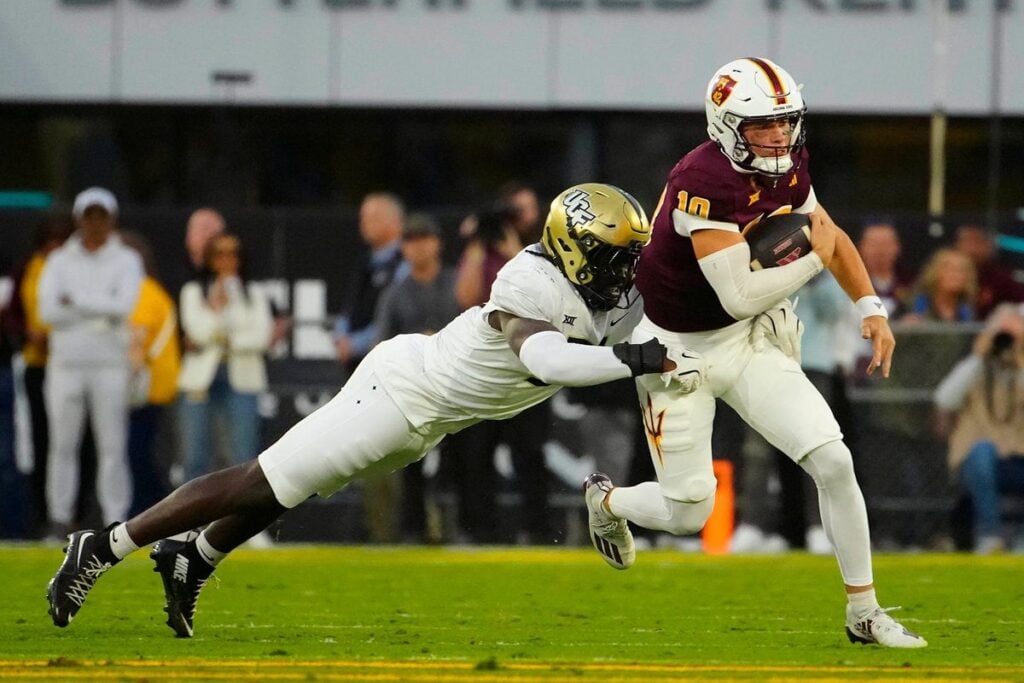
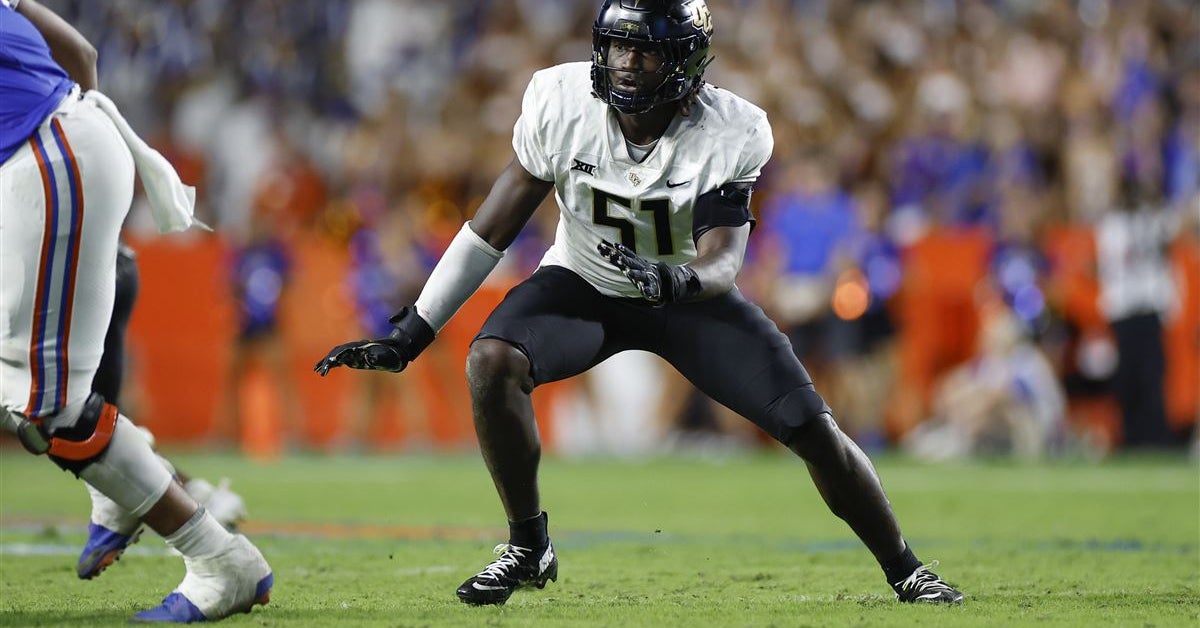
Facing the draft without a first-round pick, the Packers’ front office made their initial selection count in the second round, targeting a glaring need for pass rush depth. The team selected explosive edge rusher Malachi Lawrence from UCF with the 40th overall pick. Lawrence, coming off a dominant season with 11 tackles for loss and seven sacks, provides immediate insurance and competition behind star Micah Parsons and a group of young, unproven players.
In a move signaling a long-term view on a premium position, Green Bay doubled down on the secondary in the third round, selecting Florida cornerback Devin Moore. Analysts praised Moore’s fluid athleticism and recovery speed, noting his strong coverage metrics from the past season. He is expected to compete for significant snaps immediately in new defensive coordinator Jonathan Gannon’s scheme, bolstering a unit in transition.
The offensive line, a persistent concern after a difficult 2025 season, received a major boost in the fourth round with the addition of Boise State tackle Cage Casey. With significant questions at both tackle spots, Casey’s stellar pass-blocking grades and low pressure numbers make him a candidate to challenge for a starting role from day one, providing crucial protection for the quarterback.
Draft day saw its first major transaction when the Packers engineered a trade with the New York Jets. Green Bay sent their original fifth-round pick and two of their three seventh-round selections to New York in exchange for a higher fifth-round pick and an additional sixth-rounder. The move effectively consolidated late-round capital, allowing the team to target specific players while shedding excess picks.
Using that newly acquired fifth-round choice, the Packers again addressed the cornerback room, selecting Julian Neil from Arkansas. Neil’s prototypical size and length fit the exact mold Green Bay covets at the position. His transfer from Fresno State and subsequent success in the SEC demonstrated a rapid ascent, making him a high-upside developmental prospect for the defensive backfield.
The running back position, thinned by the departure of Emanuel Wilson, found a new weapon in the sixth round with the selection of Virginia’s Jamari Taylor. Taylor’s elite elusiveness and missed tackle-forcing ability, highlighted by a 90.3 elusive rating, project him as an ideal change-of-pace complement to workhorse Josh Jacobs in the Packers’ backfield.
With their final selection in the sixth round, Green Bay added to the linebacker corps, picking Oklahoma’s Owen Hineki. The move provides younger depth behind established starters Zier Franklin and Edgerrin Cooper, adding a versatile defender who recorded 67 tackles and two sacks for the Sooners last season.
In a fascinating seventh-round flier, the Packers returned to a familiar pipeline, selecting North Dakota State quarterback Cole Payton. With the future of the backup quarterback position uncertain, Payton represents a high-ceiling developmental project. His dual-threat capability and pedigree from a program the organization trusts could prove valuable in the years to come.
This draft class reflects a clear philosophy of building through the trenches and the secondary, with strategic bets on athleticism and upside on day three. The success of this haul will hinge on early contributors like Lawrence and Casey, and whether late-round gems like Taylor and Payton can outperform their draft status. For a team with clear roster holes, this weekend was about injecting talent and competition across the board.
A new mock draft projection suggests the Packers could take an aggressive approach, making multiple trades throughout all seven rounds. The strategy hints at a front office willing to take risks in order to reshape the roster and address key positional needs.
