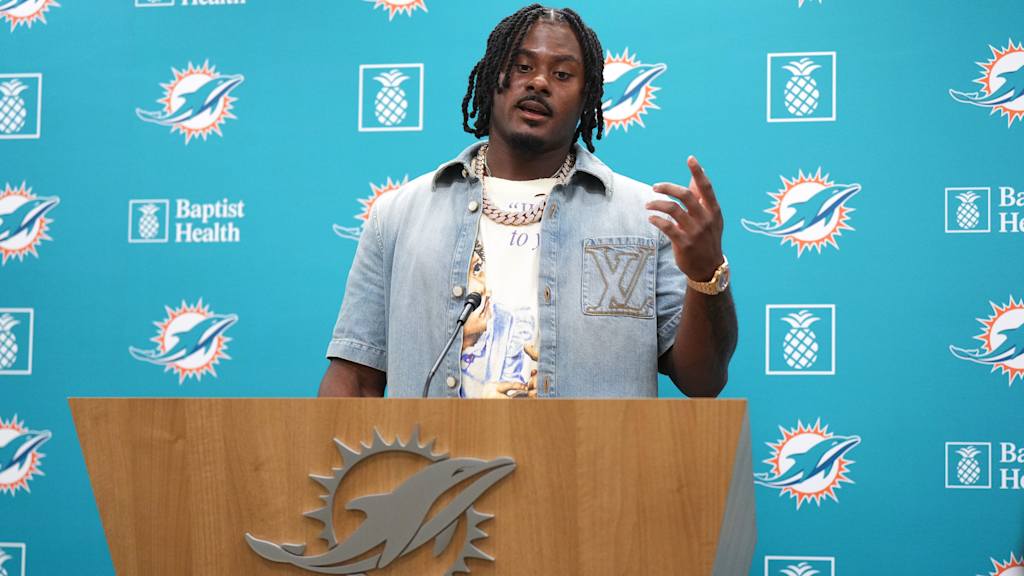
The Green Bay Packers are facing a critical and unexpected void in their quarterback room, sparking urgent speculation that the franchise could turn to a veteran signal-caller from within the NFC North to secure the position. This development follows the departure of backup quarterback Malik Willis to the Miami Dolphins, leaving a glaring question mark behind starter Jordan Love. With a notoriously thin free-agent market, the team’s contingency plan is now under a microscope.

ESPN analyst Bill Barnwell has introduced a provocative solution: Kirk Cousins. The suggestion, while initially surprising, is grounded in a specific schematic fit. Head Coach Matt LaFleur’s offense is among the most run-heavy in the NFL, a system that heavily utilizes play-action passing. Cousins has historically been elite in that specific facet of the game, presenting a logical, if unconventional, tactical match for the Packers’ scheme.
The necessity for a reliable backup is underscored by recent history. Jordan Love has missed games due to injury in each of the last two seasons, making the backup role not a luxury but a vital insurance policy. The team cannot afford a developmental project should Love be sidelined again; they require a player capable of managing games and keeping a playoff-caliber roster competitive during any absence.
Cousins, however, is not a perfect fit. His recent stint with the Atlanta Falcons was marred by interception issues, throwing 21 picks in 22 starts. Furthermore, his lack of mobility, exacerbated by a recent Achilles tendon injury, contrasts sharply with the athleticism LaFleur valued in Malik Willis. The offense may need to adjust if a pocket-bound quarterback is under center.

Perhaps the largest hurdle is philosophical. Cousins, who has begun a transition into media work, would need to be fully invested in accepting a clear backup role behind Love. Convincing a former franchise quarterback to embrace such a position requires a delicate and honest conversation between the player and General Manager Brian Gutekunst about expectations and motivation.
Meanwhile, in a poignant contrast to Green Bay’s calculated search, another quarterback has found a narrative-driven fresh start. Zach Wilson, the former New York Jets first-round pick, has signed with the Seattle Seahawks, the team he idolized growing up. In emotional comments, Wilson called the opportunity “a dream come true,” citing childhood memories of watching Seahawks legends.
Wilson expressed excitement about joining what he described as Seattle’s explosive offense, and he notably highlighted his own self-assessment as a “physical runner downhill with a lot of burst.” This move represents a pure reset for a player whose immense physical tools have been overshadowed by struggles with consistency and confidence in New York.
The parallel stories highlight a stark divergence in quarterback market dynamics. Green Bay is methodically evaluating a short-term, stability-focused option in a barren field, while a former high-draft-capital player seeks redemption in an emotionally charged environment. The Packers had no apparent involvement with Wilson, underscoring their specific and immediate need for proven experience over project potential.
This situation places significant pressure on the Packers’ front office. The championship window is firmly open with a young, talented roster built around Jordan Love. Leaving the backup quarterback spot as a glaring vulnerability would be a profound misstep, risking the season’s prospects on the health of a single player. The decision requires a definitive, strategic move, not a passive hope for the best.
The Cousins speculation, while logical on whiteboard, involves navigating significant financial and relational complexities. His expected salary demands would likely far exceed traditional backup valuation, forcing Green Bay to weigh the cost of premium insurance against other roster needs. It is a high-stakes calculus.
Simultaneously, the Zach Wilson saga serves as a reminder that player psychology and fit are intangible yet powerful forces. A motivated player in a supportive environment can sometimes unlock latent potential, a factor the Packers must consider if they pursue any veteran accustomed to being a starter.
As the NFL offseason continues, the Packers’ quarterback depth chart remains one of the league’s most pressing unresolved situations. The team’s actions, or lack thereof, in the coming weeks will send a clear signal about their confidence in the roster and their urgency to contend immediately. The margin for error in the competitive NFC North is exceptionally slim.
The organization finds itself at a familiar crossroads, balancing fiscal responsibility, roster construction, and championship ambition. The choice for the number two quarterback may seem like a secondary concern, but recent history across the league proves it is often the difference between a playoff berth and a lost season.
All eyes are now on General Manager Brian Gutekunst to engineer a solution. Whether it is pursuing Kirk Cousins, trading for another veteran, or identifying a draft target who can contribute immediately, the mandate is clear. The Packers must fortify their most important position with a credible, prepared player. The stability of their entire 2024 campaign may depend on it.
Speculation is growing that Green Bay could be exploring a blockbuster move to bring in a new lead running back. If the deal happens, it could signal a major shift in the team’s offensive strategy and raise serious questions about the future of Josh Jacobs in Green Bay.
