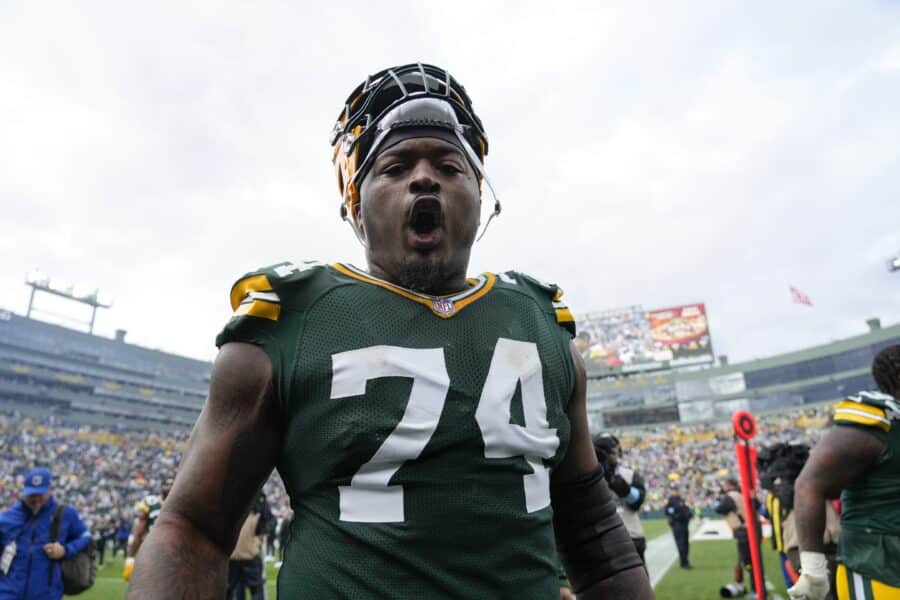
The Green Bay Packers have executed a pair of major financial maneuvers at the opening of the NFL’s legal tampering period, creating massive salary cap flexibility and positioning themselves for future draft capital in a surprisingly active start to free agency. In a strategic one-two punch, the team released veteran offensive lineman Elgton Jenkins and finalized a trade sending linebacker Rashan Gary to the Dallas Cowboys.

These moves collectively clear over $30 million in cap space for the storied franchise, with Jenkins’s departure alone saving $19.53 million. The timing of the Jenkins cut, occurring at 3:00 PM on the first official day of free agency, has immediately sparked speculation that General Manager Brian Gutekunst is clearing room for a significant subsequent move. Jenkins, a former Pro Bowl guard who struggled after a move to center last season, was a long-anticipated cap casualty.
Simultaneously, the Packers are poised to receive a windfall of compensatory draft picks following the departures of key free agents. Quarterback Malik Willis, after a brief stint in Green Bay, is signing a substantial deal with the Miami Dolphins, a contract expected to net the Packers a third or fourth-round compensatory selection in the 2027 NFL Draft.
Further bolstering their future assets, the departure of edge rusher Kingsley Enagbare to the New York Jets on a one-year contract should yield an additional late-round compensatory pick. This comes in addition to the fourth-round selection acquired from Dallas in the Rashan Gary trade, meaning the Packers have effectively turned a seventh-round pick used to acquire Willis into a much higher selection.
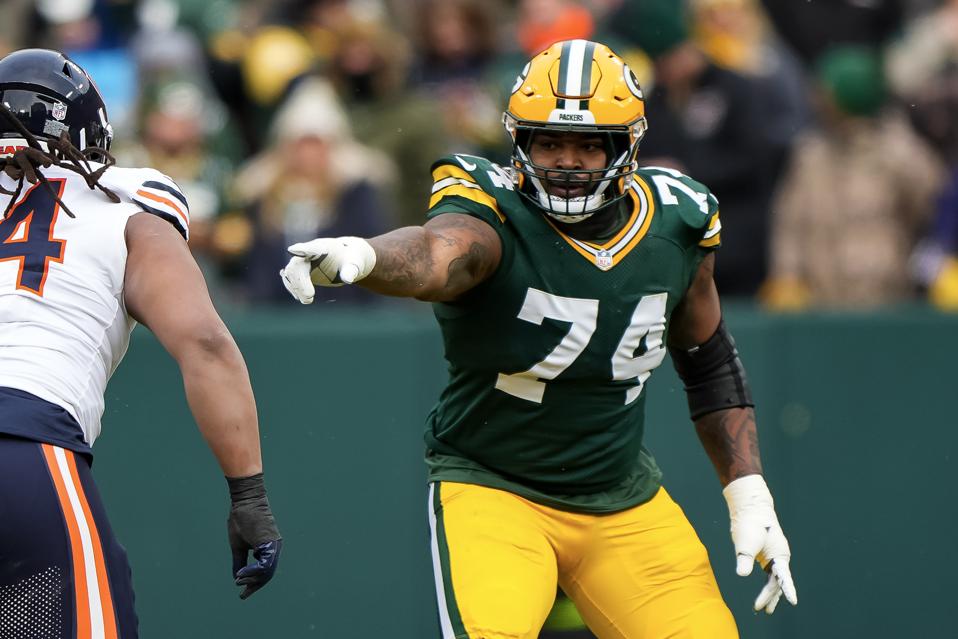
The immediate on-field impact is one of subtraction, as the team has yet to officially sign an external free agent. The release of Jenkins creates a question mark on the interior offensive line, though the emergence of Sean Rhyan late last season provides an in-house candidate. The trade of Gary, while yielding a draft pick, removes a proven pass-rushing presence from a defense in transition.
Analysts point out that the Packers’ restraint in the initial free agency frenzy may be calculated. With several players across the league commanding contracts the organization evidently deemed excessive, the focus appears to be on fiscal responsibility and long-term roster building through the draft. The compensatory pick formula rewards teams for losing more qualifying free agents than they sign.
This strategy indicates a belief in the core of the young roster, particularly on offense where quarterback Jordan Love is entering his second year as the full-time starter. The created cap space now provides Gutekunst with the ammunition to address remaining holes—potentially at safety, linebacker, or along the offensive line—with targeted signings in the second or third wave of free agency.
The financial liberation from the Jenkins contract cannot be understated. His $24.33 million cap hit for the 2026 season has been completely wiped from the books, giving the front office crucial flexibility for future extensions for cornerstone players. This forward-thinking cap management is a hallmark of successful franchises.
Fans and pundits alike are now watching closely to see how the Packers utilize their newfound financial freedom. The urgent question is whether this cap space is a prelude to a major acquisition or simply prudent long-term planning. The market for top-tier free agents is rapidly thinning, but significant value often remains in the days ahead.
The departure of Malik Willis, while expected, underscores the team’s confidence in Jordan Love and backup Sean Clifford. Willis’s lucrative deal in Miami, facilitated by his connection to new Dolphins head coach Jeff Hafley, turned a minimal trade investment into a valuable future asset for Green Bay, a textbook example of asset management.
Similarly, the move involving Rashan Gary represents a shift in defensive philosophy under new coordinator Jeff Hafley, moving away from a premium investment in a specific edge-rushing archetype. The return of a fourth-round pick provides capital to find a cheaper, scheme-specific replacement through the draft.
This series of transactions paints a picture of a Packers front office operating with clear intent. They have aggressively managed the bottom of their roster, jettisoning expensive contracts that no longer matched production, while simultaneously setting themselves up for sustained success through draft capital accumulation.
The quietude in player acquisitions thus far should not be mistaken for inactivity. The Packers have engineered a more flexible and resource-rich position in a single day than many achieve in a week. The pressure now mounts to convert this financial and draft capital into tangible improvements on a roster that narrowly missed the Super Bowl last season.
All eyes in Green Bay are now fixed on the phone lines and the transaction wire. With over $30 million in fresh cap space and a war chest of future draft picks expanding, the Packers have positioned themselves as a potential major player in the coming days. The first day of free agency was not about big splashes, but about digging a deep reservoir of resources. How they choose to deploy it will define their upcoming season.
Green Bay fans are waking up to encouraging developments as the early stages of free agency unfold. Reports suggest the organization has received two major boosts that could strengthen both roster depth and long-term planning. While details are still emerging, insiders believe these updates could quietly shift expectations for the upcoming season.
