The Minnesota Vikings are navigating a franchise-altering storm this offseason, with the future of their quarterback position and the potential loss of a defensive cornerstone colliding amid a dire salary cap crisis. The organization faces two monumental decisions that will define its trajectory for the 2026 season and beyond, creating a palpable tension between immediate necessity and long-term planning.

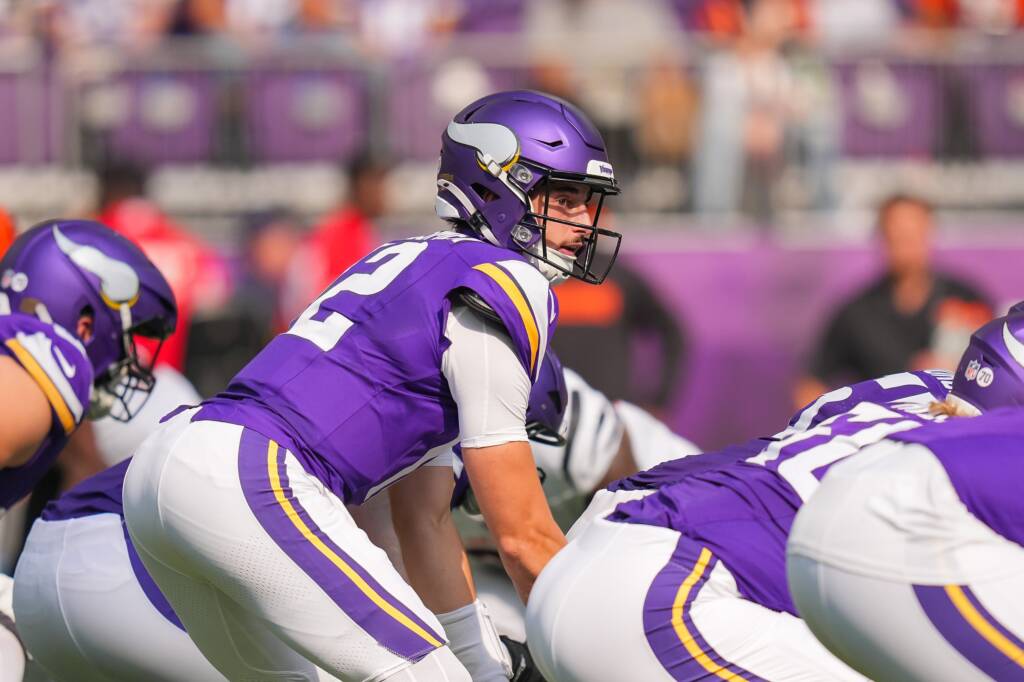
At the heart of the uncertainty is the quarterback room. With only JJ McCarthy and Max Brosmer under contract, the Vikings are aggressively exploring a market thin on clear solutions. Each potential acquisition sends a starkly different signal about the team’s faith in McCarthy, their young signal-caller whose development has been hampered by injury and inconsistency.
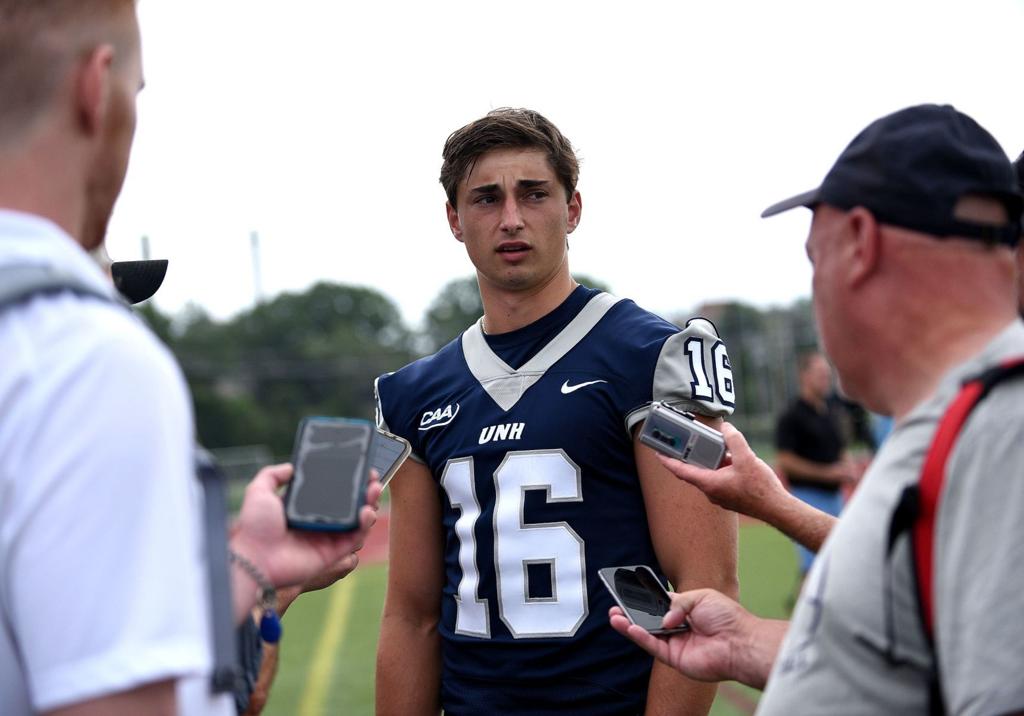
The most definitive move would be signing newly released veteran Kyler Murray, which would unequivocally signal a move on from McCarthy. Other options like Tua Tagovailoa or Geno Smith present the possibility of a genuine competition, offering McCarthy a pathway to retain the starting role if he can outperform the newcomer.
More controversial possibilities include a shocking reunion with Kirk Cousins or even bringing in longtime rival Aaron Rodgers as a veteran mentor. While this strategy could provide McCarthy a valuable apprenticeship, it would require the fanbase to accept a familiar, aging quarterback under center for another season.
Simultaneously, the Vikings are grappling with a severe financial reckoning. Currently projected to be a staggering $46.5 million over the 2026 salary cap, the team is forced to consider painful cost-cutting measures. Despite recently announcing the releases of Javon Hargrave and Aaron Jones, the franchise remains deeply in the red.
This financial pressure has reportedly made star pass rusher Jonathan Greenard available via trade, purely for salary cap relief. Moving Greenard would free up over $12 million, a crucial step toward compliance, but would strip the defense of one of its most consistent and productive players in his prime.
Several teams have emerged as logical suitors for Greenard, with the Dallas Cowboys appearing as a particularly strong fit. Dallas is transitioning to a 3-4 defense and possesses the draft capital to make a deal after trading Micah Parsons. Greenard’s skill set as an edge rusher who can drop into coverage aligns perfectly with their new scheme.
The Buffalo Bills, seeking to revitalize a defense exposed in the playoffs, also have interest but face their own cap constraints. The Carolina Panthers present another potential destination, where Greenard would provide an immediate upgrade and veteran leadership for a young defensive unit.
The confluence of these two storylines paints a vivid picture of an organization in a state of urgent triage. The new front office, led by a general manager who replaced the ousted Kwesi Adofo-Mensah, is tasked with cleaning up past financial commitments while simultaneously constructing a competitive roster. This is an offseason defined by damage control, not aggressive ambition.
Every decision is magnified. The choice at quarterback will reveal the organization’s true evaluation of McCarthy’s potential. The handling of Greenard’s situation will demonstrate how the Vikings prioritize fiscal responsibility versus on-field talent. There is virtually no margin for error.
For the fanbase, this period is fraught with anxiety. The prospect of losing a key defender for cap space, coupled with the unresolved quarterback quandary, creates a sense of instability. However, core pieces remain, including a respected coaching staff and offensive weapons, providing a foundation for optimism if the front office navigates these perilous waters correctly.
The coming weeks will be defining. The Vikings must find a quarterback solution that either fully commits to or convincingly supports JJ McCarthy. They must also execute the delicate financial maneuvering required to become cap-compliant without completely gutting the roster’s talent. The direction of the franchise for the next several years hinges on getting these interlinked decisions right. The pressure has never been higher, and the entire NFL is watching to see if Minnesota can stabilize its course.
A potential trade between Minnesota and Dallas has sparked intense debate across the league. The rumored deal involves a high-profile player whose departure would send shockwaves through the Vikings’ roster. While some believe the move could free up resources for a stronger rebuild, others fear it may weaken the team at a crucial moment.
