The Miami Dolphins’ quarterback situation has entered a new and decisive phase as head coach Jeff Hafley has, for the first time, publicly detailed a conversation with Tua Tagovailoa, framing it with language that casts significant doubt on the quarterback’s future with the franchise. In a recent interview with Jim Rome, Hafley broke his weeks-long silence on the subject, moving past previous deflections to the front office and directly addressing the incumbent starter.
 Hafley’s comments, while brief, have ignited immediate speculation about a looming organizational shift. “We had a good conversation. We talked about a lot of things, but ultimately this is going to come down to who we believe gives us the best chance to win,” the head coach stated. This marked the first instance of Hafley mentioning Tagovailoa by name since his hiring, a notable departure from his earlier press interactions where he consistently deferred questions to General Manager John Eric Sullivan.
The pivotal use of the word “but” in Hafley’s statement is being parsed as a critical indicator of the new regime’s stance. Analysts suggest the phrasing follows a classic pattern of softening a subsequent hard truth, implying the positive assessment of the conversation is secondary to the cold, competitive calculus that will guide the final decision. This linguistic nuance has fueled a growing belief within league circles that the Dolphins are preparing to move on from Tagovailoa this offseason.
Financial ramifications are colossal and complex, presenting the Dolphins with a stark set of unpalatable choices. Cutting Tagovailoa before June 1 would free over $53 million in cap space for 2027 but would saddle the 2026 salary cap with a catastrophic dead-money charge, severely handicapping immediate roster building. A post-June 1 designation would be less damaging in the short term but offer significantly less long-term relief, saving approximately $21 million for 2027.

A trade remains a theoretical possibility, with speculative fits including the San Francisco 49ers, Los Angeles Rams, or Atlanta Falcons, teams that could see Tagovailoa as a rehabilitation project or bridge starter. However, the market is considered tepid, and any deal would likely require Miami to absorb a substantial portion of his salary or attach a valuable draft pick as an incentive, a scenario sources deem unlikely for a front office seeking a clean break.
The prevailing sentiment among insiders now points toward the Dolphins ultimately releasing Tagovailoa, following a blueprint similar to the Denver Broncos’ costly divorce from Russell Wilson two years ago. Such a move would allow General Manager John Eric Sullivan and Hafley to unequivocally stamp their vision on the team with a quarterback of their choosing, free from the shadow and financial weight of the previous administration’s investment.
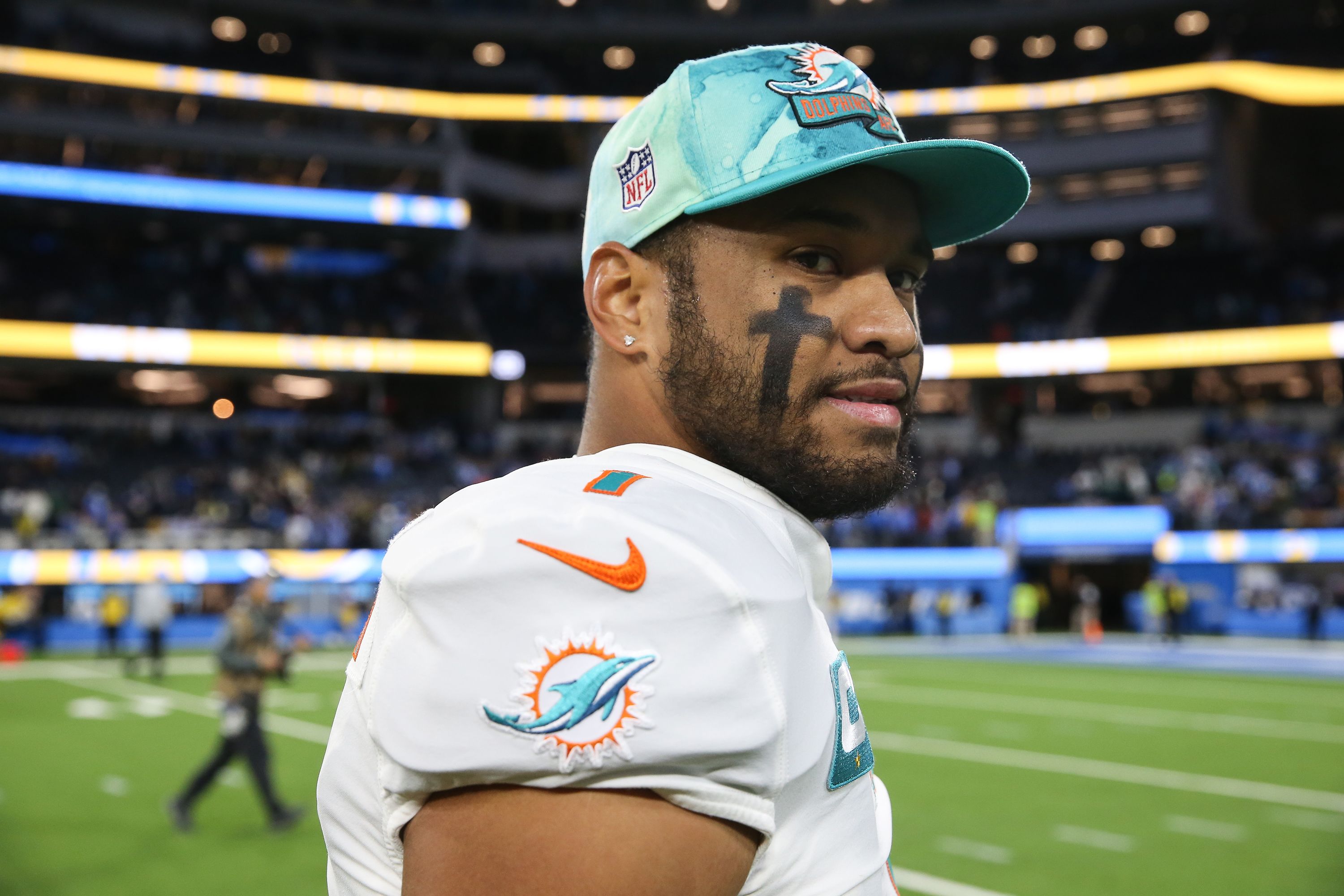
Potential replacements already linked to the new brain trust highlight a clear pattern of connections. Malik Willis, who worked with Hafley and Sullivan in Green Bay, Mac Jones—long admired by offensive coordinator Bobby Slowik from their shared 49ers draft history—and Davis Mills, whom Slowik coached in Houston, are all viewed as logical, low-cost competitors for the starting job alongside current backup Quinn Ewers.
The coaching staff continues to solidify around Hafley, adding context to the unfolding quarterback drama. The official hiring of Sean Duggan as defensive coordinator and the retention of assistants like Joe Barry and Austin Clark contrast with the departure of assistant head coach John Embree, signaling a deliberate reshaping of the team’s identity. This restructuring further underscores the organization’s commitment to a fresh start at every level.

As the NFL Scouting Combine approaches, the Dolphins’ actions will be scrutinized for any hint of their ultimate direction. The commitment to Ewers, a recent high draft pick, provides a potential in-house pathway, but the organization is expected to aggressively explore all avenues. The conversation with Tagovailoa, once seen as a routine check-in, now stands as a potential prelude to one of the most consequential and expensive roster decisions of the offseason.
The clock is ticking on a decision that will define the Hafley-Sullivan era before it truly begins. With numerous quarterback-needy teams across the league and a draft class lacking consensus top-tier talent, Miami’s handling of the Tagovailoa situation will send shockwaves through the market. The organization’s willingness to absorb historic dead money will be the ultimate testament to their conviction in charting a new course, regardless of the severe short-term financial pain it incurs.
