In a harrowing recount of combat during World War II, veteran John Kongable detailed the intense crossing of the Rhine River, where his anti-tank unit faced brutal German fire. The account underscores the chaos and human suffering experienced by soldiers, with chilling echoes of their comrades’ cries amidst gunfire.
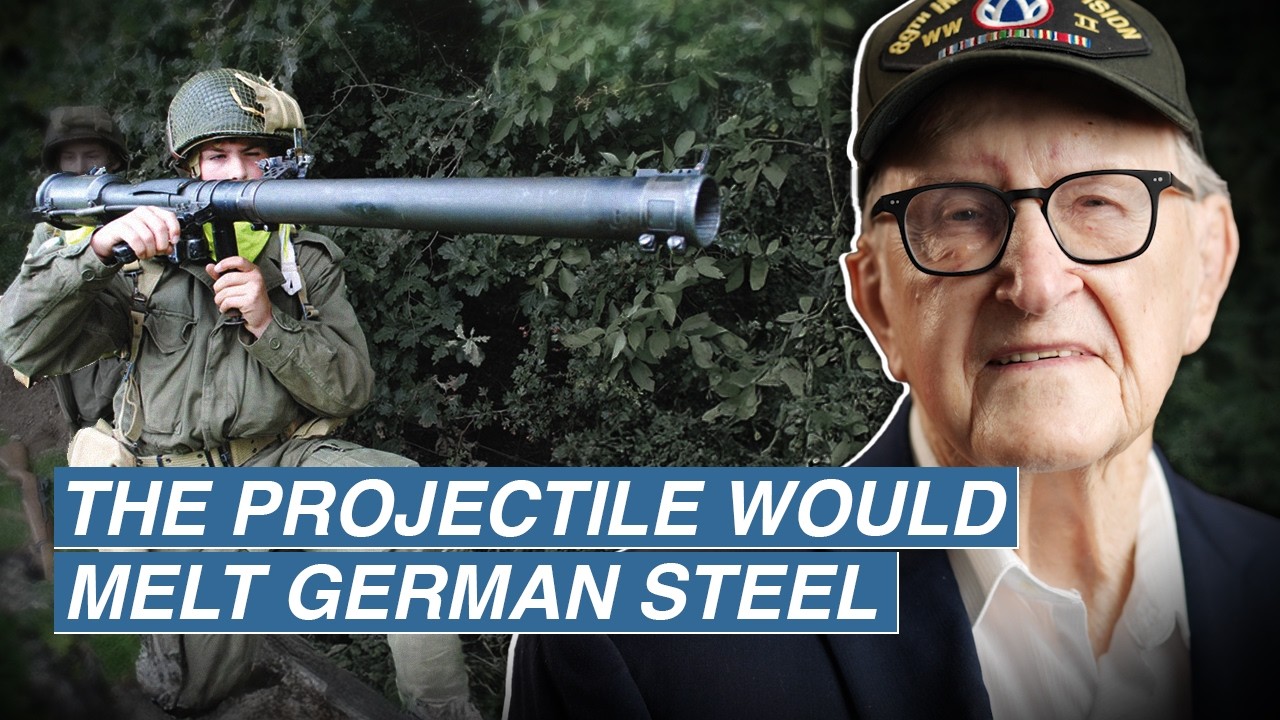
Kongable, drafted immediately after high school, trained in anti-tank warfare before arriving in Europe in early 1945. His unit was tasked with supporting infantry during critical operations, including the perilous Rhine crossing that would become a defining moment of his service.
As they approached the river, German forces had prepared a devastating ambush. Positioned with 20 mm anti-aircraft guns and machine guns, they unleashed hell on the second company crossing the river. The scene was chaotic; Kongable described the haunting cries of soldiers, one of whom cried out, “Oh, mama,” a sound that still brings him to tears.

Despite the overwhelming firepower, Kongable’s unit fought back, determined to assist their comrades. The first company had crossed successfully, but the second faced catastrophic losses, with reports indicating up to 85% casualties among the troops. The intensity of the battle left an indelible mark on Kongable, who witnessed the horrors of war firsthand.

After the fierce fighting, Kongable and his unit transitioned from anti-tank operations to infantry roles, taking up rifles and continuing their advance into Germany. The shift reflected the evolving nature of the conflict as American forces pushed deeper into enemy territory, encountering sporadic resistance.
Their journey also led them to the grim realities of liberated concentration camps. Kongable recalled witnessing the aftermath of horror at Ordruff, where soldiers were tasked with burying the remains of thousands of victims. The smell of death and decay was overwhelming, a stark reminder of the human cost of war.
Amidst the chaos, Kongable’s experiences also included witnessing the crash of a B-24 bomber, a moment that underscored the dangers faced by all servicemen, whether on the ground or in the air. He and his fellow soldiers were reminded of the fragility of life in the midst of conflict.
Reflecting on his service, Kongable expressed a mix of pride and sorrow. The battles fought were not just military engagements; they were deeply personal experiences that shaped his life. He noted that while the war ended, the memories remained, haunting yet integral to his identity.
As the world remembers the sacrifices made during World War II, stories like Kongable’s serve as powerful reminders of the bravery and resilience of those who fought. His narrative captures the urgency and tragedy of war, ensuring that the voices of the past continue to resonate in the present.
