World War II veteran Jack Moran has shared harrowing memories of combat against German forces in freezing conditions, revealing the brutal realities faced by soldiers during the Battle of the Bulge. His accounts highlight the stark contrast between luck and fate in the chaos of war, where life and death hung by a thread.

Moran recalls the chilling moments when bullets whizzed past him, narrowly missing their target. He vividly describes a scene where a fellow soldier, just moments after receiving orders, was struck down behind him. “There’s so much luck in war,” he reflects, emphasizing the randomness of survival.
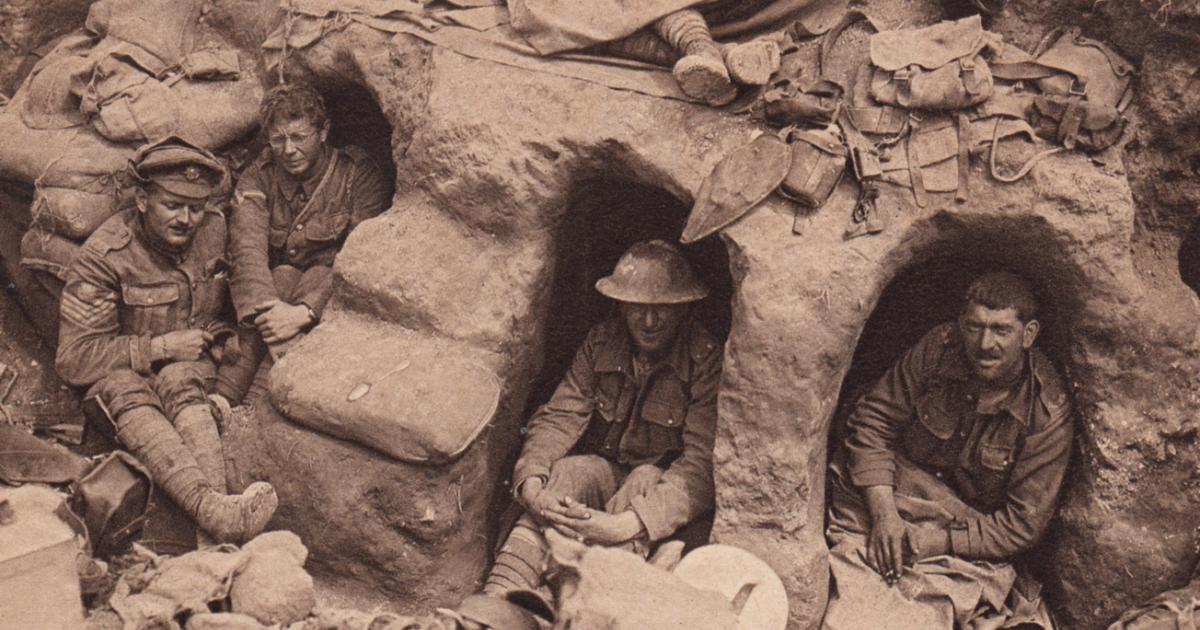
Drafted into the Army with hopes of an engineering education, Moran found himself thrust into the chaos of battle. Arriving in England in late 1944, he faced immediate combat, with artillery explosions marking his entry into warfare. The terrifying sound of German 88s soon became a constant reminder of the peril he faced.
The Tiger tank, the pride of the German military, posed a significant threat. Moran details the fear and helplessness felt when encountering these armored behemoths, which could withstand even the heaviest artillery fire. “You had to have a bazooka to even slow one down,” he explains, illustrating their formidable strength.
As winter set in, the conditions worsened. Moran describes the relentless cold that seeped into their bones, making it difficult to function, let alone fight. “You couldn’t run across the street without being in danger,” he recalls, recounting the chilling precision of enemy snipers lying in wait.
Despite the overwhelming odds, Moran and his fellow soldiers pushed back against the German forces. They relied on their artillery and the M1 rifle, which he praises as “the best rifle in the world.” The ability to fire rapidly offered them a fighting chance against the enemy.
In a gripping tale, Moran recounts a night when he faced an approaching threat alone in the dark. With the enemy closing in, he resorted to using a hand grenade to defend his position, a desperate act that underscored the constant danger they lived in.
After days of fighting and freezing temperatures, the skies finally cleared, allowing Allied air support to strike back. This crucial turning point shifted the battle in their favor, leading to the retreat of German forces and a hard-fought victory.
Moran’s reflections serve as a powerful reminder of the sacrifices made by soldiers during one of history’s most brutal conflicts. His stories of luck, survival, and the harsh realities of war resonate deeply, offering a glimpse into the extraordinary resilience of those who fought against tyranny.
Jack Moran relives battling German forces in freezing conditions where cold was as deadly as bullets. Weapons jammed, bodies froze, and survival depended on endurance as much as courage. His story reveals the harsh reality of infantry warfare, where nature itself became an unforgiving enemy.
