Henry VIII’s decision to legalize boiling alive shocked even his contemporaries. New research suggests the punishment was less about justice and more about terror, control, and political messaging. By choosing extreme cruelty, Henry sent a chilling warning to enemies and subjects alike, proving his reign was fueled as much by fear as by law.
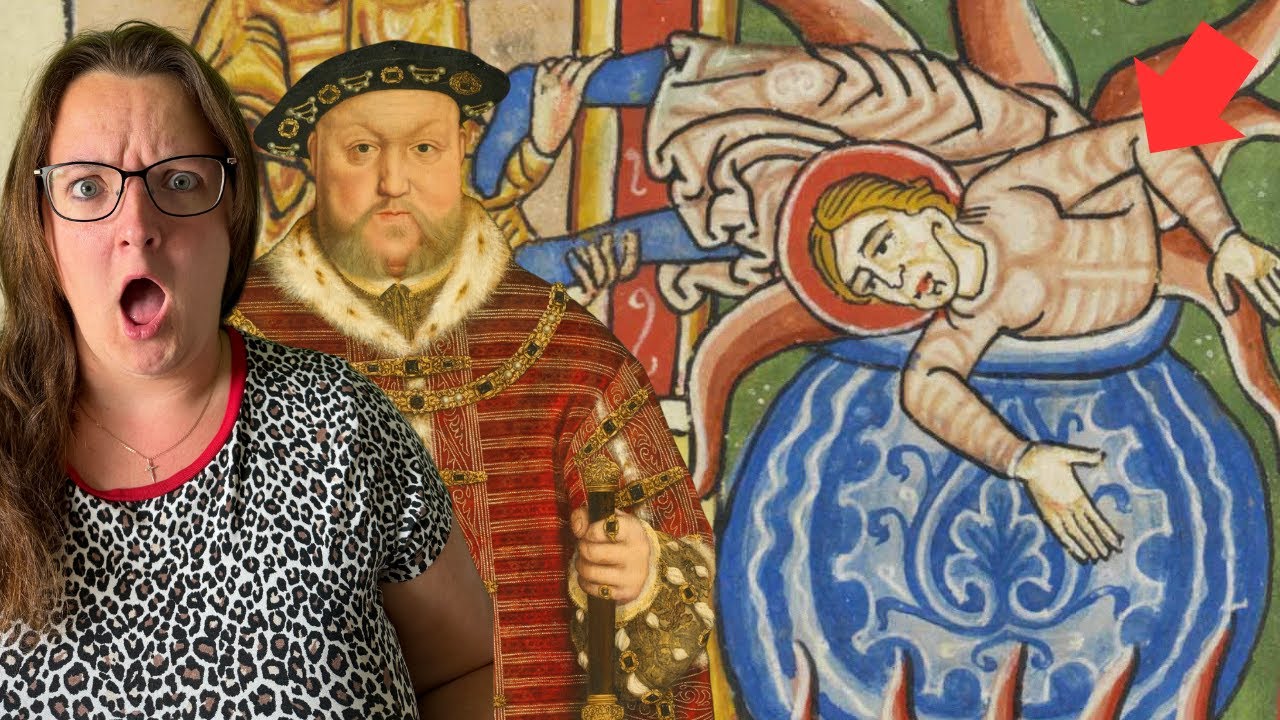
In a shocking revelation about the brutal reign of Henry VIII, historical records unveil the dark and twisted rationale behind the king’s chilling method of execution: boiling alive. This gruesome punishment, which was enacted during a time of intense political paranoia, was not merely a random act of cruelty but a calculated strategy to instill fear and maintain control. With a deep-seated anxiety over assassination by poison, Henry VIII altered the laws of his kingdom, specifically targeting those accused of poisoning, and enacted this horrific punishment as a means to terrorize his subjects.
The introduction of boiling alive as a form of execution in the early 1530s was a direct response to Henry’s mounting fears. Following a failed poisoning attempt on Bishop John Fisher, which left several guests ill, the king seized upon the opportunity to eliminate perceived threats. Richard Roose, the cook blamed for the incident, became the first victim of this newly minted law. Henry VIII personally addressed Parliament to declare poisoning as high treason, stripping away the right to a jury trial.
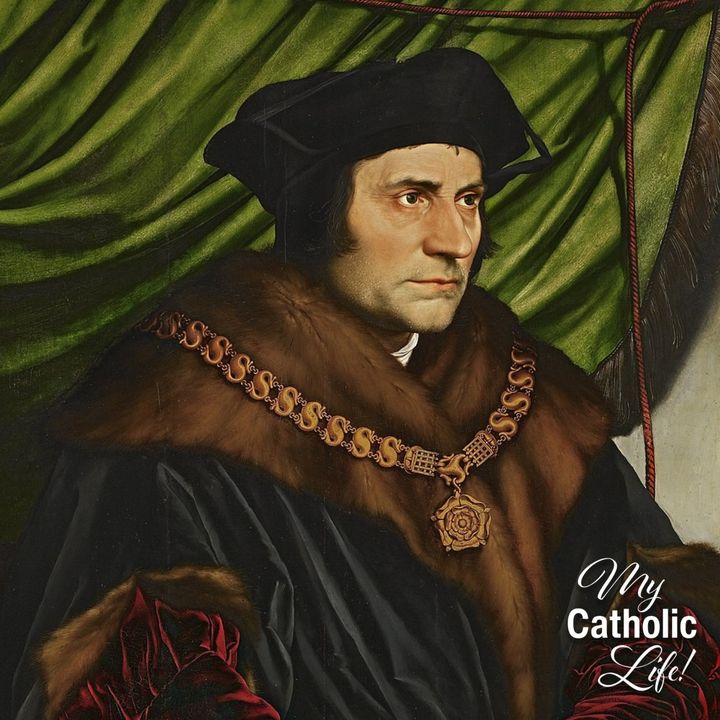
Roose’s execution was a public spectacle, executed in a cauldron of boiling water at Smithfield, London. Witnesses described the horrifying scene as Roose was repeatedly lowered into the cauldron, his skin peeling away in a grotesque display of suffering. This brutal punishment was intended to send a clear message: betrayal would not be tolerated, and the king’s wrath was absolute.

A decade later, Margaret Davy, a servant accused of poisoning her mistress, met the same horrific fate. Both executions were not only acts of vengeance but also tools of state violence, reflecting Henry VIII’s desperate need to project power and control amid growing political isolation. The king’s obsession with threats, both real and imagined, led him to employ food tasters and even brick up his own chambers to safeguard against potential assassins.
Despite the chilling effectiveness of these executions in instilling fear, boiling alive was widely regarded as barbaric and politically dangerous. The gruesome nature of the punishment risked further tarnishing Henry’s reputation as a tyrant, limiting its use to just two recorded instances during his reign.
Henry VIII’s legacy is now marred by this dark chapter in history, revealing a ruler who would stop at nothing to maintain his grip on power. The boiling alive executions were not about justice but rather a reflection of the king’s paranoia and desire for absolute control over his kingdom. As history continues to unveil the complexities of this infamous monarch, the chilling reality of his reign serves as a stark reminder of the lengths to which power can corrupt.
