The Green Bay Packers face a critical financial reckoning as the new league year approaches, with the franchise currently projected to be over the salary cap and forced to make difficult decisions on several high-profile veterans. This immediate pressure to create space will define their offseason strategy and roster construction for a team on the cusp of championship contention.
 According to the latest figures from OverTheCap and Spotrac, the Packers are between $2.6 million and $4.3 million over the 2025 salary cap. While the exact number fluctuates, the imperative is clear: Green Bay must clear approximately $5 million just to become cap compliant, with an additional $7-10 million in operating funds needed to function effectively through free agency and the draft. This financial squeeze places multiple veteran contracts under intense scrutiny.
The most consequential decision involves edge rusher Rashan Gary, who carries a $28 million cap hit. A pre-June 1 release would free up $11 million immediately, given his $17 million dead cap charge, single-handedly solving the compliance issue. A post-June 1 designation would create $19.5 million in space, but those funds would not be accessible until after the initial wave of free agency, complicating any early moves.
Along the offensive line, Elgton Jenkins presents a stark choice. The veteran, entering the final year of his deal with a $24.3 million cap hit, has a dead cap charge of only $4.8 million. Cutting Jenkins outright would free up nearly $20 million in immediate cap space, a tantalizing figure for a front office needing flexibility. Some analysts advocate a cut-and-re-sign approach, allowing Jenkins to test his market value before potentially returning on a more team-friendly deal.
The situation with cornerback Eric Stokes is less clear-cut. Stokes carries a $12.8 million cap hit with $12 million in dead money, meaning a pre-June 1 cut saves a mere $800,000. A post-June 1 move would free up $8.8 million, but the team must weigh that savings against retaining a former first-round pick who may still have upside. The calculus becomes whether that capital is more valuable than the player.
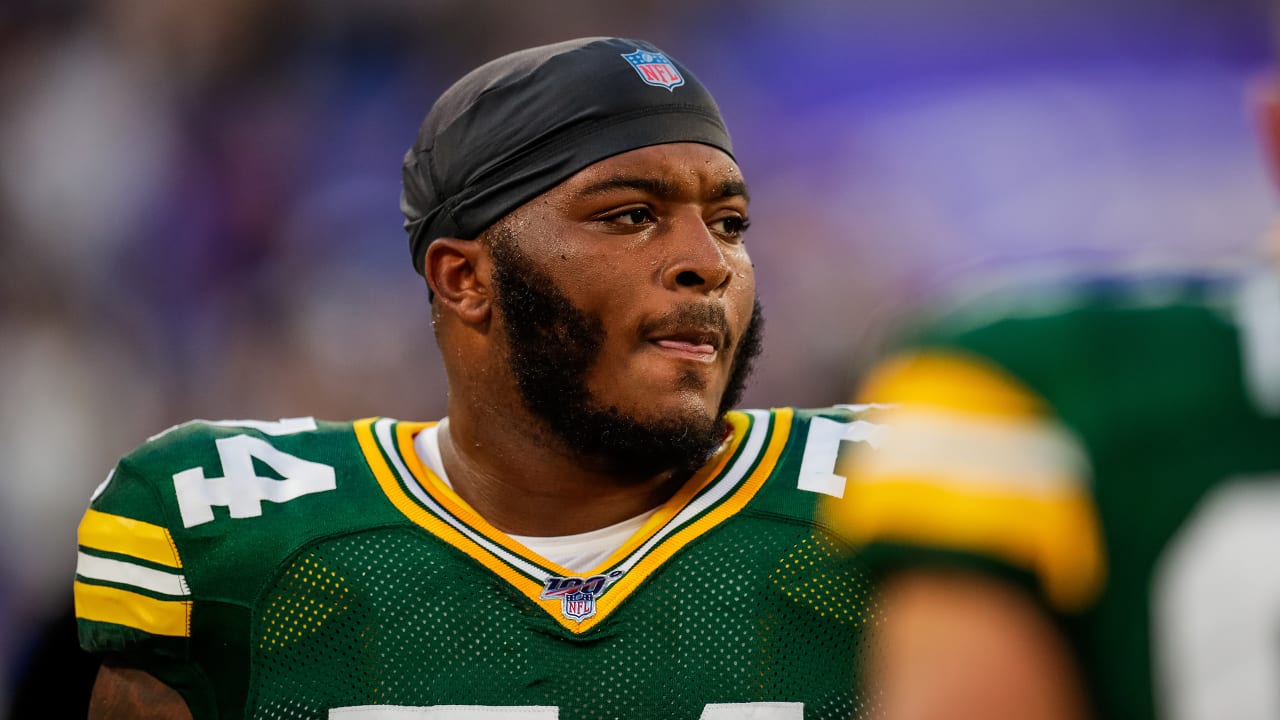
In the secondary, the case of Keisean Nixon is as much about culture as cap economics. Nixon’s $7.1 million cap hit is manageable, and cutting him would only free up $2.1 million. However, his late-season benching for effort issues and contentious exit interview have led to serious questions about his fit, despite his league-leading pass breakup total. The relatively minor savings may not outweigh the desire to reset standards.
General Manager Brian Gutekunst’s philosophy is now at a crossroads. The organization’s relentless commitment to being the NFL’s youngest roster conflicts with the financial reality of paying its own developed stars. Letting veterans like Jenkins or Gary walk accelerates the youth movement but potentially sacrifices crucial experience for a team that advanced to the NFC Championship game.
This cap crunch also serves as a referendum on recent free-agent acquisitions. The contracts given to safety Xavier McKinney and others have contributed to the squeeze, placing pressure on those players to outperform their deals. The Packers’ ability to restructure contracts, particularly that of left tackle David Bakhtiari, will be another pivotal factor in navigating this tight financial window.
President Ed Policy’s recent comments about the football operations getting “on the same page” suggest a possible strategic shift. The need to balance youthful talent with veteran savvy, all while managing the cap for a quarterback, Jordan Love, on a market-value deal, requires a nuanced and unified approach from the entire front office.
Every dollar saved by releasing a veteran must be immediately redeployed to address roster holes, most notably at safety, linebacker, and along the offensive line. The draft will provide cost-controlled talent, but Green Bay’s minimal current cap space severely limits its ability to be aggressive in the open market, barring several major roster moves.
The coming days will reveal the Packers’ true priorities. Will they prioritize financial flexibility and culture by moving on from established names, or will they restructure deals to keep the core intact, betting on continuity for another Super Bowl push? The decisions made on these cap casualties will send a definitive message about the team’s direction in the Jordan Love era.
Stakes are extraordinarily high at 1265 Lombardi Avenue. Navigating this cap dilemma successfully could position the Packers as perennial contenders for years to come. Missteps could lead to a painful step back, wasting a precious season of Love’s cost-effective contract. The business of football is now front and center in Titletown.
