Marie Antoinette’s downfall was shaped less by her actions and more by a relentless campaign of propaganda, scandal, and political betrayal. Revolutionaries twisted stories of excess and immorality to turn the public against her, while court enemies fueled rumors that destroyed her reputation. This investigation reveals the real forces behind her vilification—and why her tragic legacy became one of history’s most distorted.

Marie Antoinette: The Queen Who Ruined a Monarchy
In the annals of history, few figures evoke as much disdain as Marie Antoinette, the last queen of France. Once seen as a tragic victim of revolution, she is now widely regarded as a symbol of royal excess and incompetence. Her reign, marred by scandal and extravagance, ultimately contributed to the downfall of the French monarchy.
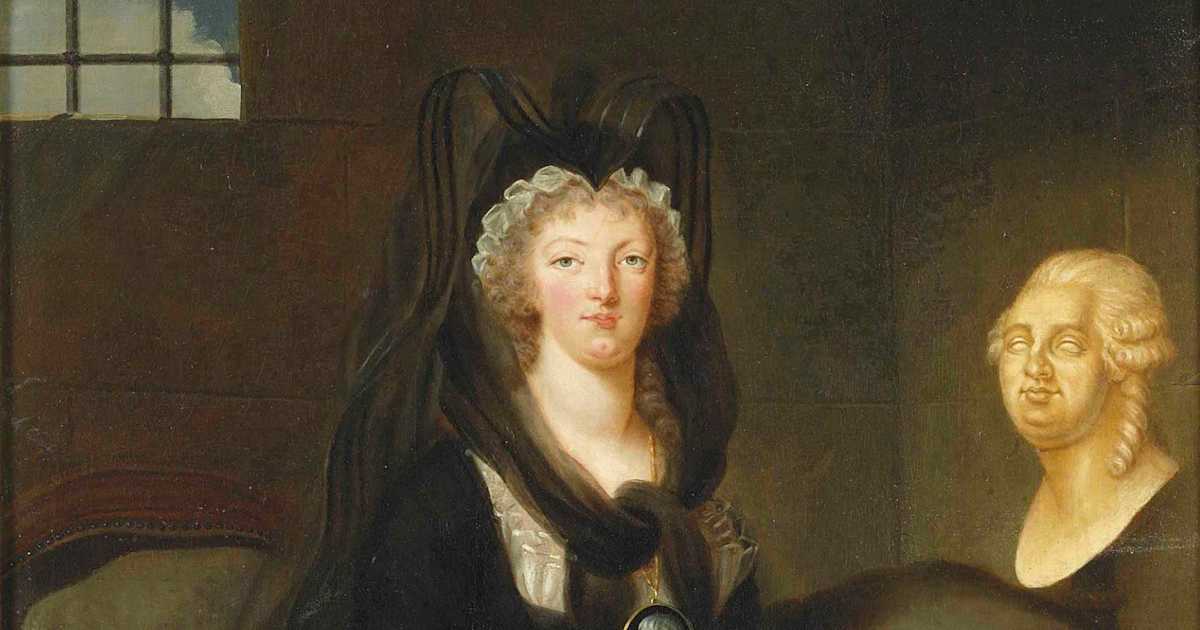
Born in 1755 in Vienna, Austria, Marie Antoinette was the 15th child of Empress Maria Theresa. Her early life was comfortable but unremarkable, characterized by a lack of education and a penchant for frivolity. At just 14, she was married to Louis XVI, the future king of France, in a political alliance that would prove disastrous.
From the outset, Marie’s foreign origins made her unpopular among the French, who viewed her with suspicion. Instead of embracing her role, she indulged in luxury and excess, distancing herself from the struggles of her subjects. Her infamous quote, “Let them eat cake,” whether spoken or not, became a rallying cry against her perceived indifference.
Marie Antoinette’s extravagant lifestyle was legendary. She amassed a wardrobe of hundreds of dresses, extravagant jewelry, and even a personal retreat at Versailles, where she played at being a simple peasant while the people outside suffered. This disconnect between her lavish existence and the dire conditions faced by ordinary French citizens fueled resentment.
As France spiraled into financial ruin, Marie ignored warnings from advisors and resisted necessary reforms. Her refusal to adapt further alienated the monarchy from the people. By the late 1780s, her reputation was tarnished by relentless gossip and scandal, branding her as “Madame Deficit.”
The turning point came with the diamond necklace affair in 1785, a scandal that linked her name to fraud. Although she was not directly involved, the public’s disdain for her grew. By 1789, as mobs surrounded Versailles demanding bread, Marie’s life hung in the balance.
In a desperate bid to escape the revolution, Marie and Louis attempted to flee France in 1791. Their poorly planned escape ended in capture, sealing their fate as traitors in the eyes of the people. As the monarchy crumbled, Marie clung to her delusions of royal privilege, refusing to acknowledge the new political landscape.
Imprisoned and facing a trial that was more spectacle than justice, Marie Antoinette was found guilty of treason. On October 16, 1793, she was executed by guillotine, a grim end for a queen whose failures had catastrophic consequences.
Marie Antoinette’s story serves as a cautionary tale about the dangers of disconnection from the people one governs. Her inability to empathize with the suffering of her subjects exemplified the pitfalls of absolute power. While some historians seek to rehabilitate her image, the truth remains: she was a queen who failed her people.
Her reign not only marked the end of the French monarchy but also foreshadowed a bloody era of revolution. The guillotine that claimed her life would soon take thousands more, all in the name of liberty and equality. Marie Antoinette’s legacy is a stark reminder of the perils of arrogance and excess in leadership.
