CHICAGO, IL – In a flurry of activity that has left analysts and fans alike scrambling for their draft boards, the Chicago Bears concluded a chaotic and unpredictable Day 2 of the NFL Draft on Friday night, making three selections that have sparked intense debate about the team’s immediate future and long-term strategy. The Bears, who entered the night with a clear need to bolster their defensive line, instead opted for a center, a tight end, and a wide receiver, a move that signals a profound shift in organizational philosophy under new head coach Ben Johnson. The night was defined by a series of calculated risks, a rigid adherence to their internal big board, and a clear message that the team is building for a specific offensive vision, regardless of external consensus.
 The Bears’ first pick of the night came at 57th overall, where they selected Iowa center Logan Jones. The move was met with a mix of approval and skepticism. Jones, a 6-foot-2, 300-pound mauler, is a technically sound, smart player with 51 career starts in a complex pro-style offense. He is an aggressive, athletic blocker who fits perfectly into the wide-zone scheme Johnson is expected to install. However, the value of the pick was immediately questioned. Many analysts projected Jones as a late-second to early-third-round talent, and the Bears could have potentially landed him at 89th overall. General Manager Ryan Poles later defended the selection, stating the team stuck to their board, a sentiment that has become a recurring theme of the night. The pick is a clear investment in the future, with Jones expected to serve as the backup to Garrett Bradbury this season before taking over as the starter in 2027, when Bradbury’s contract expires.

The most shocking move of the night came when the Bears traded back from 60th overall to 69th overall, picking up a fourth-round pick in the process, and selected Stanford tight end Sam Roush. The pick was stunning not because of the player, but because of the position and the timing. The Bears already have a highly paid, productive tight end in Cole Kmet. Yet, the team doubled down on the position, adding a 6-foot-6, 260-pound athletic freak who ran a 4.7 40-yard dash and posted a 38.5-inch vertical. Roush is a “wide tight end” with the ability to split out, create mismatches, and serve as a willing blocker. The move signals a potential shift toward 13 personnel (three tight ends), a formation that has become increasingly popular in the NFL. Poles later insisted that nothing has changed for Kmet, but the financial reality is stark. Kmet carries a $15 million cap hit next year, and cutting or trading him would save $10 million. The Roush pick gives the Bears a viable, cost-controlled replacement and significant leverage in future contract negotiations.
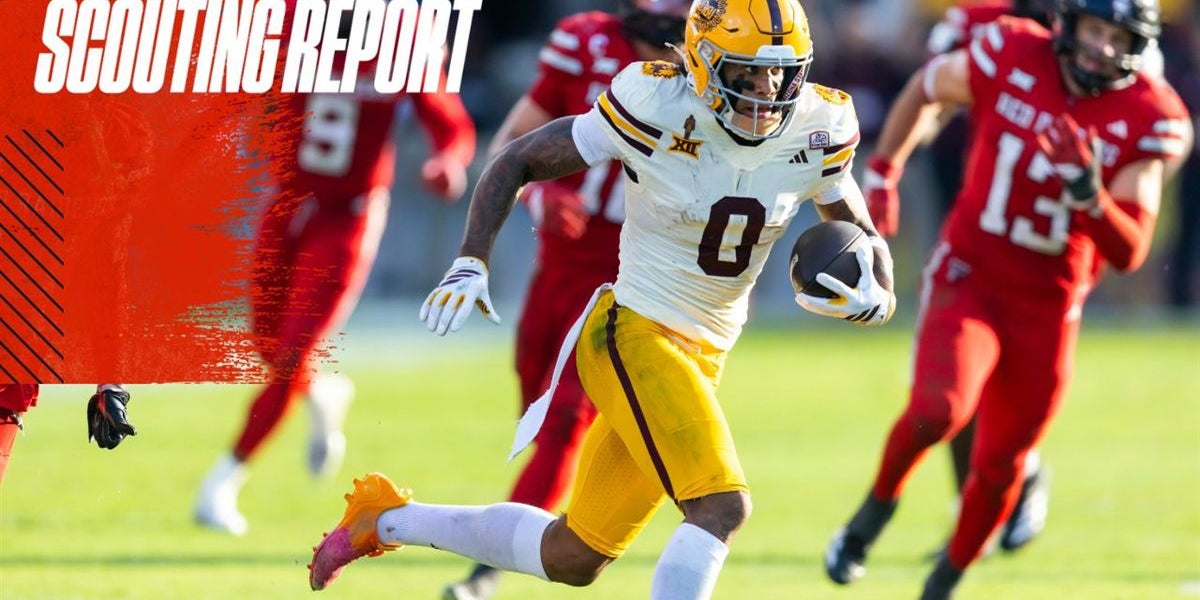
The final pick of the night, at 112th overall, was perhaps the most polarizing. The Bears selected LSU wide receiver Xavon Thomas, a 5-foot-11, 190-pound speedster who ran a blistering 4.28 40-yard dash. Thomas is a raw, explosive athlete who is more of a weapon than a polished route runner. He has experience as a returner, with three career return touchdowns, and even lined up as a running back at LSU, carrying the ball 19 times last season. The pick is a pure projection, a bet on athleticism and the creative mind of Ben Johnson. Thomas is a distant relative of the legendary Walter Payton, a fun nugget that adds a layer of intrigue to the selection. But the pick is a high-risk, high-reward gamble. Thomas was ranked 260th on many draft boards, making this a massive reach by consensus standards. However, the Bears’ scouting department, led by assistant director of college scouting Francis St. Paul, is reportedly high on him, and Johnson was visibly excited about his tape. The pick is a clear signal that Johnson has immense influence over the roster and is willing to take swings on players he believes he can mold into stars.
The Bears’ approach on Day 2 has been described as “trust the board” by Poles, a philosophy that has drawn both praise and criticism. The team passed on several highly-regarded defensive linemen, including Denny Dennis Sutton and Jam McCoy, who are still available heading into Day 3. Poles acknowledged that five edge rushers went in the first 12 picks of Day 2, and the cost to trade up was prohibitive. The defensive line, which was already a major question mark, remains a glaring weakness. The Bears are now relying on a rotation of unproven players and veterans to generate pressure. The team’s failure to address this need has left many analysts questioning the overall strategy. However, the Bears are betting that their offensive firepower, combined with a creative scheme, will be enough to outscore opponents.
Looking ahead to Day 3, the Bears have a significant opportunity to address their defensive needs. The board is still rich with talent, particularly at edge rusher and defensive tackle. Denny Dennis Sutton remains a top target, a player who fits the scheme and has the potential to be a Day 1 starter. Jam McCoy, a top-15 talent who has slid due to concerns about a knee injury, is another intriguing option. If the Bears are willing to take a risk, McCoy could be a steal in the fourth round. Other names to watch include edge rushers Max Llewellyn and Kaden Curry, as well as interior defensive linemen Grayson Halton and Caleb Proctor. The Bears also need depth at linebacker, with Kyle Lewis and Caleb Larzor still on the board. At cornerback, Keith Abney and Malik Muhammad are surprising Day 3 values. The Bears have the capital to move up and grab a player they covet, but they have shown a willingness to let the board come to them.
The Bears’ Day 2 haul is a microcosm of the entire draft so far: unpredictable, aggressive, and unapologetically focused on the offensive side of the ball. The team has added a potential long-term starter at center, a dynamic weapon at tight end, and a explosive gadget player at wide receiver. The grades are all over the map. Logan Jones gets a B-minus for solid value but questionable timing. Sam Roush gets a B for a clear scheme fit and long-term upside. Xavon Thomas gets a TBD, a grade that stands for “Trust Ben Johnson.” The success of this draft will ultimately hinge on whether Johnson’s vision translates to wins on the field. If he can turn Thomas into a legitimate threat and Roush into a key cog in a multi-tight end offense, this draft could be remembered as the moment the Bears’ offense was transformed. If not, it will be another chapter in a long history of questionable decisions. The Bears are betting big on their head coach, and the entire league is watching to see if the gamble pays off.
