The Chicago Bears are on the verge of a seismic defensive acquisition, with New York Giants star defensive tackle Dexter Lawrence now a legitimate and urgent trade target. According to a report from Pat Leonard of the New York Daily News, contract negotiations between Lawrence and the Giants have not just stalled but completely broken off, with no contact between the parties. The Giants have already engaged other teams in trade discussions, moving the situation from speculative to critically real.
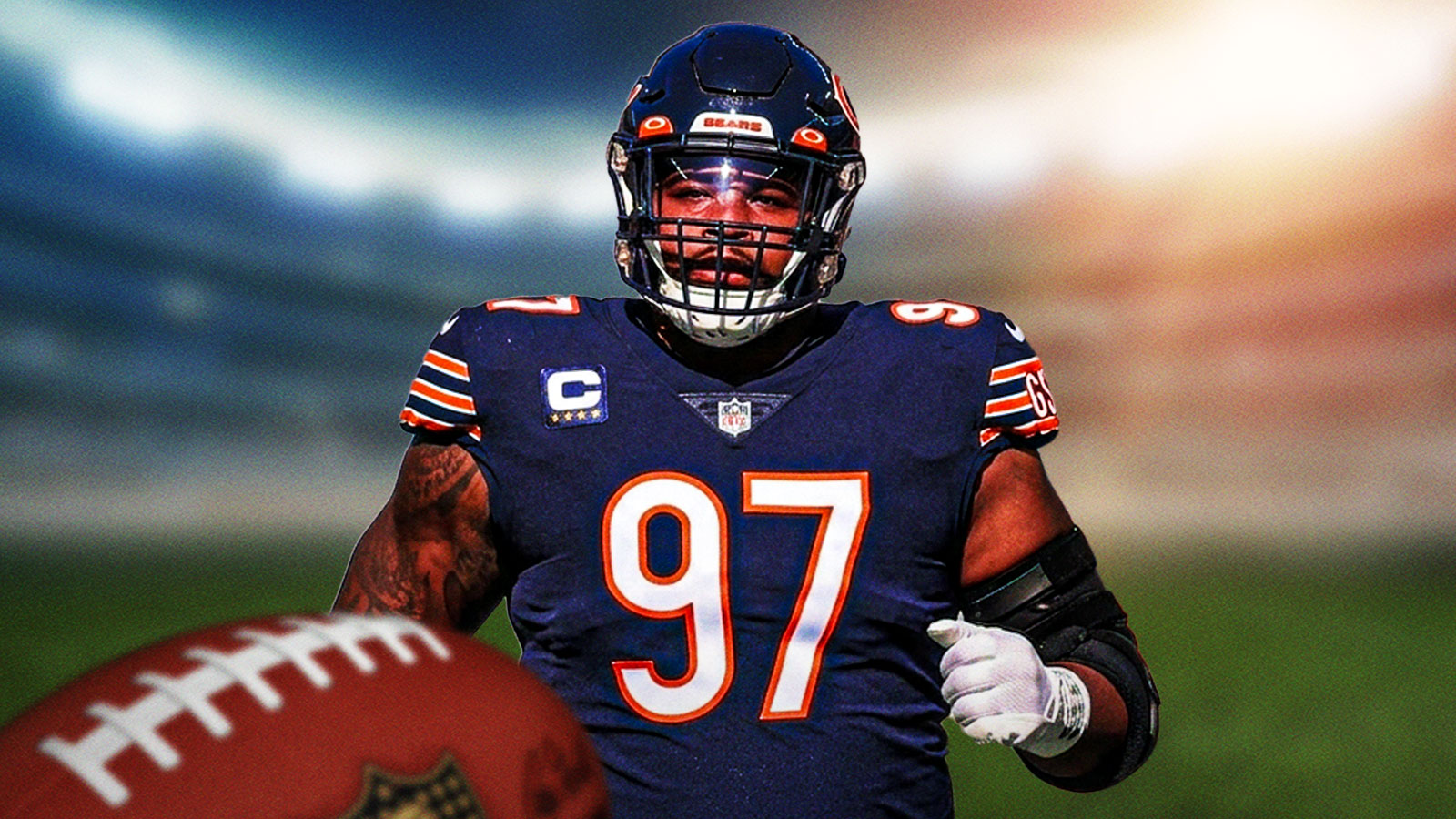
 Lawrence represents a transformative talent for any defensive front. In the three seasons prior to a 2025 campaign hampered by a dislocated elbow, he amassed 21 sacks and consistently ranked among the NFL’s elite interior defenders. His pass rush grades never fell below ninth league-wide, and his run defense never ranked below third. Scouts maintain he remains one of the most disruptive forces in football when healthy.
The potential fit in Chicago is terrifying for the rest of the NFC North. Imagining Lawrence lined up alongside developing talent Gervon Dexter, with Montez Sweat rushing off the edge in new coordinator Dennis Allen’s scheme, creates a defensive line of unprecedented potency. Such interior dominance would stifle the run games of Green Bay and Detroit while creating havoc for quarterbacks like Jared Goff.

Acquiring a player of Lawrence’s caliber carries a significant cost, likely a first-round pick plus additional draft capital. With the Bears holding the 25th overall selection and two second-rounders, General Manager Ryan Poles faces a franchise-defining decision. The argument for aggression is clear: quarterback Caleb Williams is on his cost-controlled rookie contract, making the immediate championship window wide open.
Should a deal for Lawrence fail to materialize, an alternative superstar pass rusher remains in the conversation. Max Crosby’s tumultuous offseason, which saw a trade to Baltimore reversed due to health concerns, has potentially cratered his market value. Analysts project the Bears as an ideal fit, with a cost now speculated to be a first and a mid-round pick, a stark discount from earlier demands.
While Crosby has publicly recommitted to the Raiders, the league views his situation as fluid. If Lawrence is not secured, Crosby immediately becomes Chicago’s urgent contingency plan. However, the team must act quickly, as other contenders like the Dallas Cowboys and Buffalo Bills are also monitoring the pass-rush market.
Simultaneously, a high-stakes political battle is unfolding that will determine the franchise’s long-term home. Bears leadership is currently in meetings with Governor J.B. Pritzker’s administration, pushing for the “mega projects bill.” This legislation would freeze property tax assessments for developments over $500 million, providing the financial certainty needed to build a new stadium in Arlington Heights.
The process in Springfield has stalled, however, failing to advance to a full floor vote. Meanwhile, the state of Indiana has already passed legislation to create a stadium authority in Hammond, using taxpayer money to aggressively lure the team. The implications are profound; a move to Indiana would mean Chicago losing not just a team, but a core piece of its civic and cultural identity.

Amid these seismic shifts, the NFL Draft approaches. Analyst Dane Brugler’s latest seven-round projection for Chicago emphasizes building through the trenches if no blockbuster trade occurs. His mock has the Bears selecting Clemson edge rusher T.J. Parker at 25, Iowa State defensive tackle Domonique Orange at 57, South Carolina safety Jaylon Jones at 60, and Florida center Jake Slaughter at 89.
This draft strategy would address needs with solid, developmental players. Yet, it underscores the monumental opportunity at hand. The chance to acquire a proven, dominant force like Dexter Lawrence could accelerate the Bears’ timeline from rebuild to contender overnight. The decision Poles makes in the coming days will reverberate through the NFC North for years.
The franchise stands at a historic crossroads. One path involves securing a defensive cornerstone to unleash a fearsome new iteration of the Monsters of the Midway. Another involves a high-risk political gamble that will define its geographical and cultural legacy for generations. All narratives are converging as draft week arrives, placing the future of the Chicago Bears squarely in the spotlight.
