The Miami Dolphins may have just pulled off one of the most impressive draft hauls in recent NFL memory, and the league is taking notice. In his first draft as general manager, Jon-Eric Sullivan has drawn widespread praise from scouts, analysts, and front office executives across the league, with many declaring that the Dolphins absolutely killed it with their 13-pick class. The buzz is so loud that it is reverberating from the halls of team facilities to the studios of ESPN, where analysts are comparing rookie wide receiver Chris Bell to All-Pro A.J. Brown. The consensus is building that this draft class could be a transformative moment for a franchise that has been searching for sustained success. An NFC executive, speaking on condition of anonymity, offered a blunt assessment of Miami’s performance. They killed it, the executive said. They got a mix of talent and culture guys and all of the moves made sense. That sentiment was echoed in a recent article by ESPN’s Jeremy Fowler, who reported that Sullivan earned high marks around the league for his first draft. The executive specifically highlighted fourth-round linebacker Kyle Lewis out of Pitt, calling him a future good starter in this league, and third-round wide receiver Chris Bell from Louisville, labeling him a steal. The praise is not just coming from rival teams; it is coming from within the Dolphins organization itself, where the front office is confident they have landed a core group of players who can contribute immediately. The Dolphins entered the draft with 13 picks, giving them a wealth of opportunities to reshape their roster. While having that many selections can sometimes lead to a scatter-shot approach, Sullivan and his staff are being credited with a focused and strategic plan. The most highly regarded selections are a cluster of five players taken within the first eight picks: cornerback Chris Johnson, linebacker Jacob Rodriguez, wide receiver Chris Bell, linebacker Kyle Lewis, and defensive lineman Caden Proctor. This group is being hailed as the foundation of the draft class, with analysts and insiders nearly unanimous in their belief that Johnson, Rodriguez, Bell, and Lewis were the team’s best picks. Proctor, while considered a top-five talent in the draft, comes with questions about his ability to maximize his potential, but the Dolphins are confident they can help him reach it. Among the most electrifying storylines emerging from this draft is the comparison between Chris Bell and Philadelphia Eagles superstar A.J. Brown. Multiple NFL Draft insiders, including ESPN’s Boog Schermerck Farland and analyst Steve Palazzolo, have drawn the parallel. There aren’t many receivers in this draft class who have his kind of physical profile, Palazzolo said. He reminds me a lot of A.J. Brown. The comparison is rooted in their similar size profiles: Bell stands 6-foot-2 and weighs 222 pounds, while Brown is 6-foot-1 and 226 pounds. Bell actually has larger hands, measuring 10 inches compared to Brown’s 9.75 inches, though Brown has a longer reach. The speed question has been a topic of debate because Bell did not run a 40-yard dash due to his recovery from an ACL injury, but NFL scouts have reported that GPS trackers at Louisville clocked him at times in the low 4.3-second range. That kind of speed at his size is rare, and it shows on tape. Bell has getaway speed, and when he catches the ball in open space, he is extremely hard to bring down. He can beat defenders on deep crossers, shallow crossers, and after the catch, making him a versatile weapon. While Bell is generating the most hype, some analysts believe the best pick of the draft was either Chris Johnson or Kyle Lewis. Johnson, a cornerback taken in the first round, is being praised for his length, tackling ability, and press coverage skills. He is considered a culture builder, a player who embodies the mindset the Dolphins want to instill in their locker room. Defensive coordinator Jeff Hafley was reportedly adamant about targeting Johnson, saying his ability to affect the game on all three levels made him his favorite guy in this draft. Sullivan echoed that sentiment, calling Johnson a big corner with great balance and body control. Johnson is expected to compete for a starting role immediately, and his presence could elevate the entire secondary. Kyle Lewis, taken at pick 138 in the fourth round, is being hailed as one of the steals of the entire draft. One executive told Jordan Schultz that Lewis is a steal, and former NFL safety and analyst Louis Riddick compared him to Hall of Famer Derrick Brooks. While that is a lofty comparison, even if Lewis reaches 60 percent of that potential, it would be an incredible value for a fourth-round pick. Lewis is known for his ability to cover in space, which is second to none, and he can play multiple roles in the Dolphins defense, including big nickel, safety, and coverage linebacker. His head coach at Pitt, Pat Narduzzi, said Lewis is one of the most dedicated film watchers he has seen in his 10 years at the program. That work ethic and versatility could make him the most underrated impactful player for Miami this season. Jacob Rodriguez, selected in the second round, is another culture pick who is expected to take on a leadership role immediately. Sullivan described Rodriguez as a good leader and a green dot guy, meaning he will call the defense on the field. With Jordan Brooks preferring to play the weak side linebacker role, Rodriguez is expected to step in as the Mike linebacker from day one. The combination of Rodriguez, Lewis, and Brooks has some analysts predicting that Miami could have the best linebacker unit in the NFL by the end of the season. That is a bold claim for a team that has struggled defensively in recent years, but the talent and character of these players are generating genuine excitement. Caden Proctor, the defensive lineman considered a top-five talent, is the wild card of the class. Questions persist about his ability to maximize his potential, particularly regarding his weight and conditioning. However, the Dolphins are optimistic that he can keep those issues in check and become a dominant force. If he does, the draft class could be even more formidable. The team is also aware of Chris Bell’s occasional sideline temper tantrums, but some analysts see that as a positive trait for a wide receiver. You want your wide receiver one making a ruckus if he is not getting the football, one analyst noted. It is a sign of passion and competitiveness that can drive a player to greatness. The Dolphins rookie mini camp begins next weekend, and the excitement is palpable. Fans are eager to see how these players perform on the field, and the early reviews from the league suggest that Miami has added a group of talented, high-character individuals who are ready to contribute. The draft class is not just about talent; it is about culture. Sullivan targeted players like Johnson, Rodriguez, and Lewis who are known for their work ethic and leadership. Even Bell and Proctor, who have some questions, are seen as players who can be molded into key contributors. The broader impact of this draft could be significant for a Dolphins team that has been searching for an identity. With a strong rookie class, the team has the potential to improve on both sides of the ball. The linebacker unit, in particular, could be a strength, and the addition of a dynamic receiver like Bell could open up the offense. The defense, which has been a weak point in recent years, could see a boost from Johnson and Lewis. The Dolphins are not expected to be an elite team this season, but the foundation being built is solid. As the dust settles on the draft, the narrative is clear: Jon-Eric Sullivan has made a powerful statement in his first year as general manager. The league is taking notice, and the fans are buzzing. The Dolphins have a rookie class that is being compared to some of the best in the league, and the potential for growth is immense. Whether it is Chris Johnson’s lockdown coverage, Kyle Lewis’s versatility, Chris Bell’s explosive playmaking, or Jacob Rodriguez’s leadership, this class has the ingredients for success. The only question now is how quickly these rookies can adapt to the NFL and help turn the Dolphins into a contender. The answer will begin to unfold next weekend at mini camp, but for now, the optimism is sky-high in Miami.
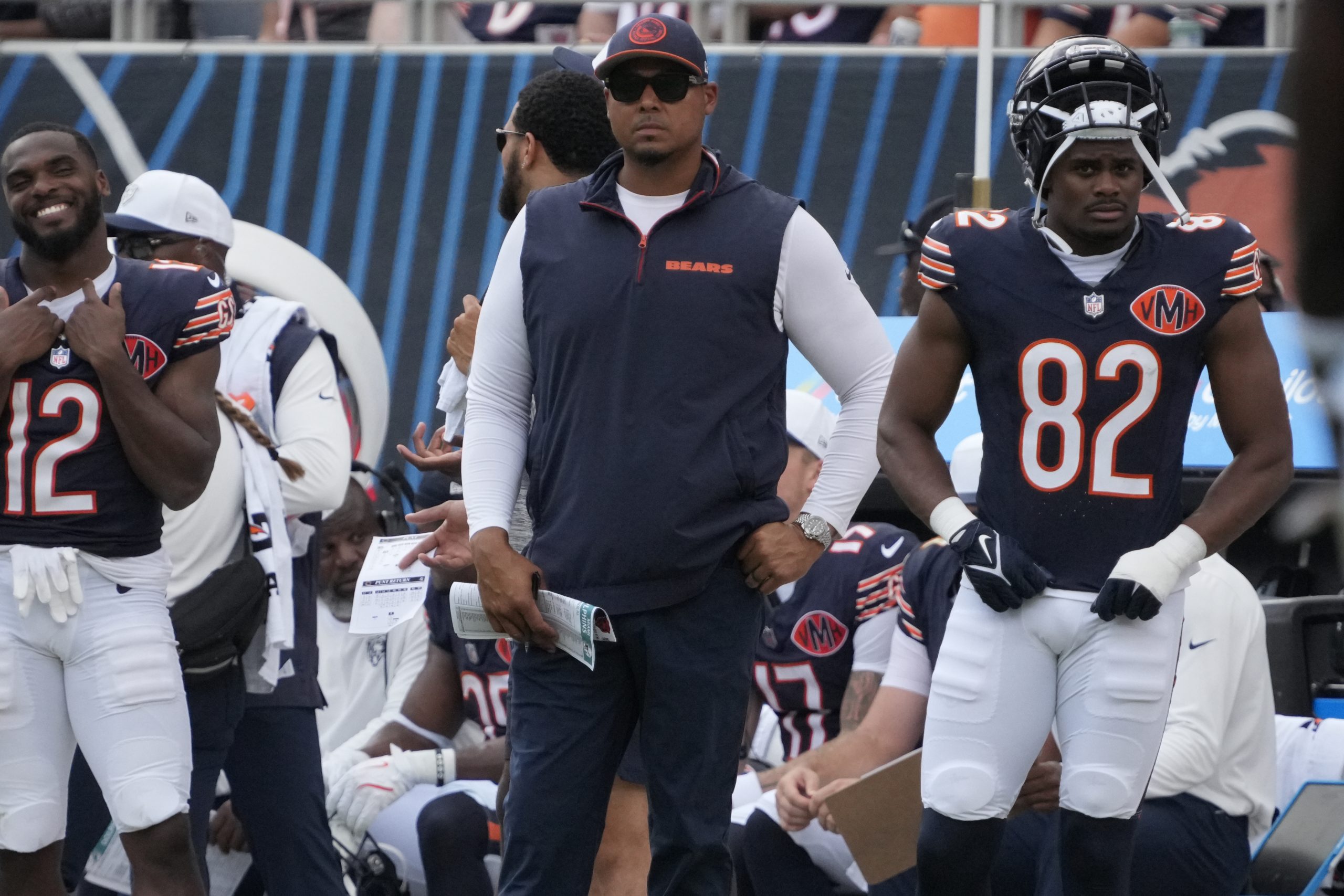
 Cornerback Tyreek Stevenson enters the final year of his rookie contract on the shakiest of ground. While currently projected as the starting outside CB2, his inconsistent play and the front office’s reluctance to offer an extension make his position highly vulnerable. If the Bears select a cornerback like Colton Hood or Chris Johnson with a premium pick, Stevenson could swiftly find himself relegated to a backup role, casting serious doubt on his long-term future in Chicago.