Elvis Presley’s iconic honeymoon hideaway in Palm Springs, California, is back on the market, but it’s struggling to find a buyer at its staggering $9.5 million price tag. Despite its storied past and stunning architecture, potential buyers are hesitant, citing high costs, unique design, and maintenance challenges as key barriers.
 Nestled in the prestigious Vista Las Palmus neighborhood, this architectural masterpiece was completed in 1960 by renowned designer William Krisel. With its sweeping glass curves and circular pods, the home is a testament to mid-century modernism, but its unique design may be its downfall in a shifting real estate market.
The property gained fame when Elvis and Priscilla Presley honeymooned there in 1967, forever tying it to the King of Rock and Roll. However, the allure of celebrity status comes with a price. Many potential buyers are deterred by the high costs associated with maintaining such a unique, historic home.
Recent renovations aimed to restore the home to its original glory, yet the asking price reflects a celebrity premium that may be too steep for many buyers. While the home is fully furnished with mid-century pieces, the cost of upkeep and insurance for such a vintage property can be daunting.
In a market where luxury buyers are increasingly cautious, the Honeymoon Hideaway faces fierce competition from more conventional homes. Potential buyers are looking for flexibility and modern conveniences, which this iconic property does not offer. Its circular design and custom features may appeal to a niche market but limit its broader appeal.
Moreover, the home’s status as a tourist attraction complicates ownership. Many buyers seek privacy, but living in a landmark comes with the burden of constant public attention. This can make the idea of quiet evenings by the pool feel like an impossibility.
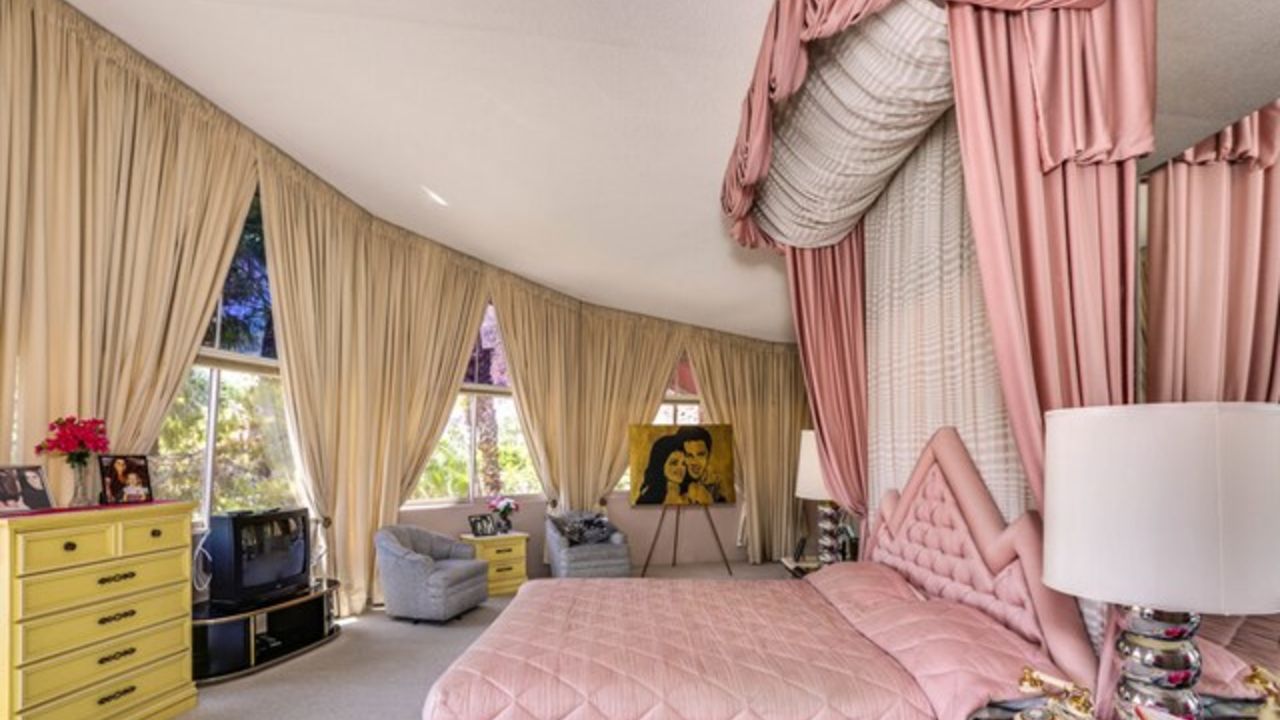
As interest rates rise and the luxury market cools, buyers are more discerning. They weigh the costs of ownership against the unique features of the home. The Honeymoon Hideaway is a stunning piece of history, but the financial realities may overshadow its charm for many potential buyers.
The market dynamics in Palm Springs are shifting, with wealthy buyers now favoring smaller, easier-to-maintain homes. The Honeymoon Hideaway’s distinctiveness, while appealing to some, may ultimately limit its buyer pool in an era where practicality reigns supreme.
Despite these challenges, there remains a group of passionate preservationists and mid-century enthusiasts who may see the home’s value beyond its price tag. For them, the chance to own a piece of architectural history is worth the investment and effort required to maintain it.
While the future of Elvis’s Honeymoon Hideaway remains uncertain, its unique story and architectural significance continue to captivate those who appreciate its legacy. As it stands, the property awaits a buyer willing to embrace both its beauty and its burdens.
