In a striking dissection of Netflix’s hit series “Bridgerton,” a new analysis reveals the glaring historical inaccuracies embedded within its glamorous portrayal of Regency-era Britain. The show, celebrated for its lush costumes and romantic plotlines, has come under fire for its failure to accurately depict life in the 1810s. From anachronistic fashion choices to the misrepresentation of social norms, the video analysis lays bare ten critical inaccuracies alongside ten elements that the series gets right.
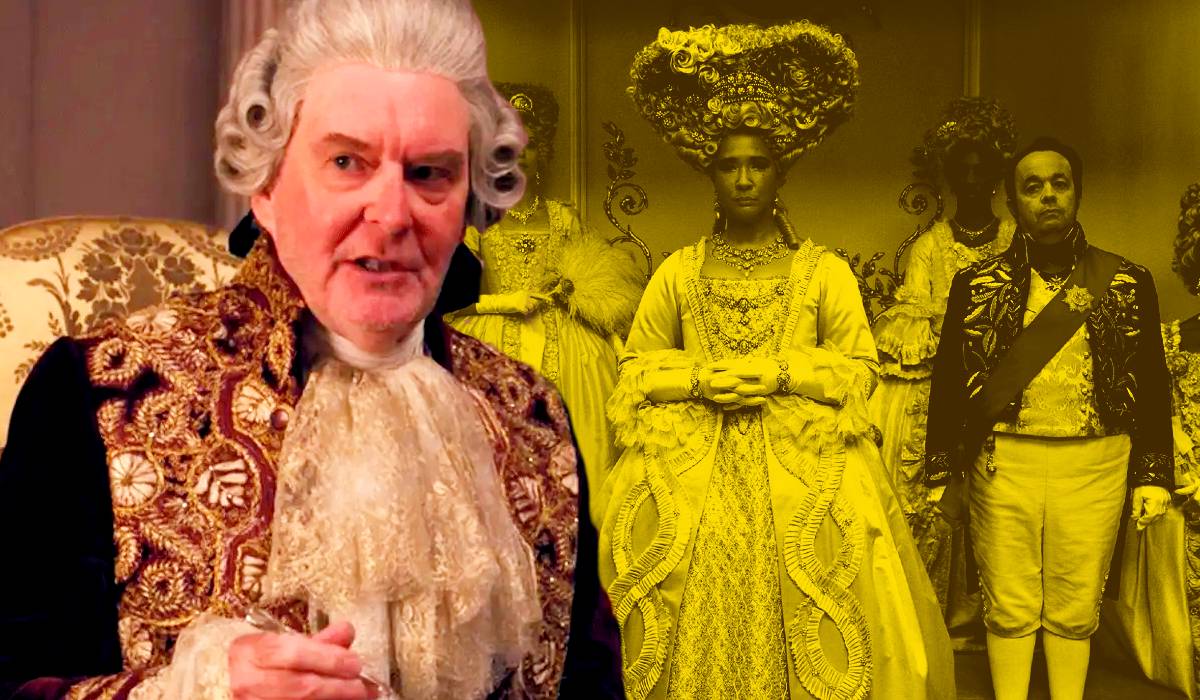
 The costumes, a standout feature of “Bridgerton,” are both enchanting and misleading. While the silhouette of the ladies’ dresses captures the essence of the era, the colors, fabrics, and detailing often veer into the modern. Designers have openly admitted to prioritizing beauty over historical accuracy, incorporating materials like 3D-printed fabrics and even Manolo Blahnik shoes, which would have been unimaginable at the time. Corsets, often depicted as instruments of torture, were not as constricting as portrayed, while men’s attire also suffers from similar historical missteps, featuring denim and modern belts.
The portrayal of Queen Charlotte and King George III, however, aligns with historical figures. The real Charlotte was indeed married to George during this tumultuous time, and her character’s struggles with mental health reflect historical accounts. Yet, the show’s depiction of her personality as lively and commanding sharply contrasts with the quieter, more introverted reality of her life at court.
The analysis also highlights the show’s treatment of social customs, particularly the concept of chaperoning. While “Bridgerton” accurately depicts the need for young women to be chaperoned, it frequently disregards this norm for dramatic effect, leading to unrealistic scenarios that could have dire consequences for the characters involved.
Moreover, the series’ portrayal of women’s ignorance regarding sexuality and relationships, while somewhat accurate, glosses over the harsh realities faced by women of lower social standings, who often bore the brunt of societal expectations and dangers. The glamorization of brothels and the romanticization of life for women in these positions starkly contrasts with the grim truth of their existence during the Regency period.
As for the show’s soundtrack, the modern musical choices, featuring orchestral renditions of contemporary hits, further emphasize its departure from historical authenticity. Critics argue that while this choice enhances viewer engagement, it detracts from the period atmosphere the series aims to create.
In a world where the complexities of race and class are often simplified, “Bridgerton” presents a racially harmonious society that, while aspirational, fails to engage with the realities of racial dynamics in early 19th-century Britain. This portrayal raises concerns about the potential for viewers to misconstrue the historical context of the era.
As audiences eagerly await the next season, this analysis serves as a crucial reminder of the importance of historical accuracy in popular media. “Bridgerton,” while captivating and beautifully crafted, invites viewers to question the narratives presented and seek a deeper understanding of the rich tapestry of history it seeks to depict.
